
Kathmandu to Ramechhap Distance and Travel Time
The distance from Kathmandu to Ramechhap is about 132 kilometers (82 miles) by road, and the journey usually takes 4 to 6 hours, depending on traffic, road conditions, and your departure time. For travelers planning Himalayan trips with Alpine Vista Trek, this route is important, especially during peak seasons when Lukla flights operate from Manthali Airport in Ramechhap. Many travelers choose a reliable option like a Kathmandu to Ramechhap bus ticket to ensure a smooth transfer. Based on local travel conditions, leaving early in the morning can help you avoid delays and arrive on time.
Route from Kathmandu to Ramechhap (Road Overview)
The road journey from Kathmandu to Ramechhap usually follows the Dhulikhel–BP Highway corridor before continuing toward Manthali, the district headquarters, and the airport area used by most Everest-bound travelers in peak season. This is why the route matters so much: Ramechhap is not just a district stop, but the practical air gateway for many Lukla passengers when traffic pressure shifts flights out of Kathmandu. CAAN has stated that Lukla flights, which can exceed 50 flights per day in peak season, are operated from Ramechhap Airport during busy periods.
How Road Conditions Affect Travel Time to Ramechhap
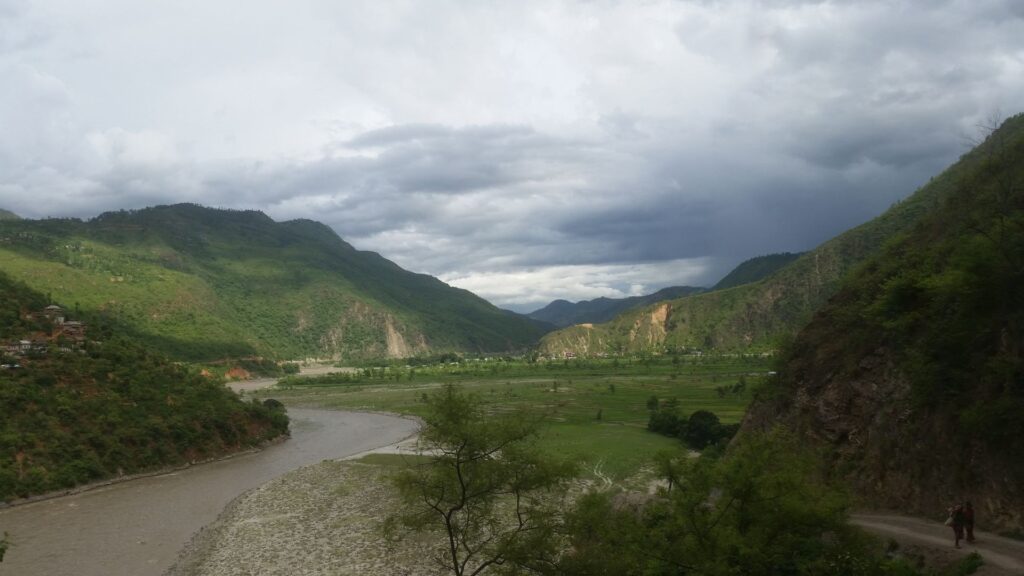
Road condition is one of the biggest reasons the Kathmandu to Ramechhap drive cannot be judged by distance alone. Even though the route is only about 132 km, the road includes hilly sections, curves, and narrower stretches, especially as vehicles move farther from Kathmandu and deeper into the mid-hill corridor. That is why many recent route guides still place the trip at 4–6 hours, not because the distance is long, but because the average road speed is lower than on flatter highways. In addition, monsoon damage has affected sections of the BP Highway, and authorities imposed nighttime restrictions on passenger vehicles in 2025 because of hazardous conditions.
Why does early departure matter for Lukla flights?
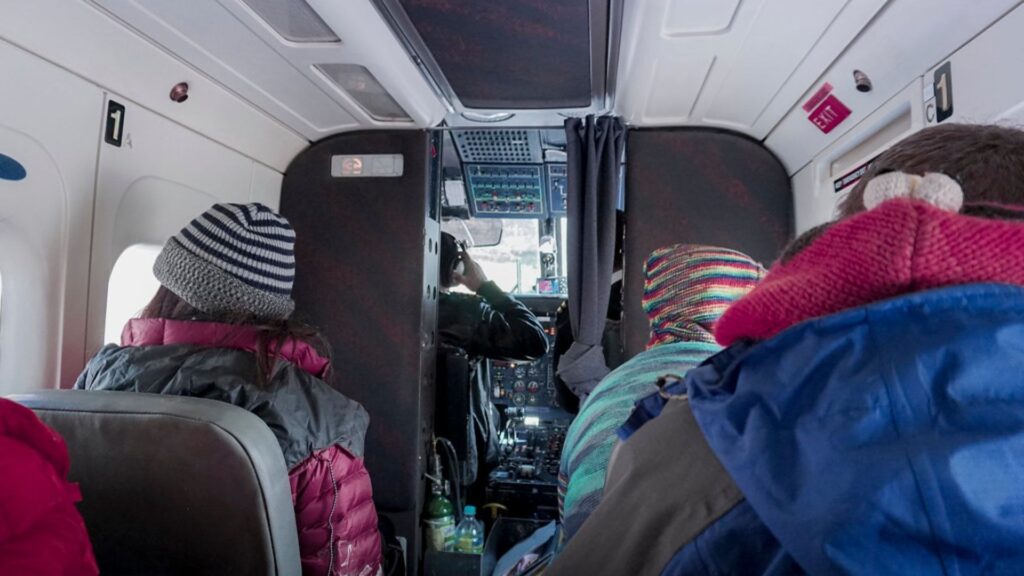
Most Lukla flights operate in the early morning due to mountain weather patterns. When flights shift to Manthali Airport during peak trekking seasons, travelers must first complete the road journey from Kathmandu before even reaching the airport.
Because of this, many transfers depart around 1:00 to 2:00 AM. This timing is not arbitrary. It allows travelers to reach Manthali with enough margin to handle minor delays, check in calmly, and avoid missing flights.
Travel resources repeatedly highlight that leaving Kathmandu too late is one of the most common reasons trekkers miss Lukla flights.
Which route is used to reach Ramechhap?
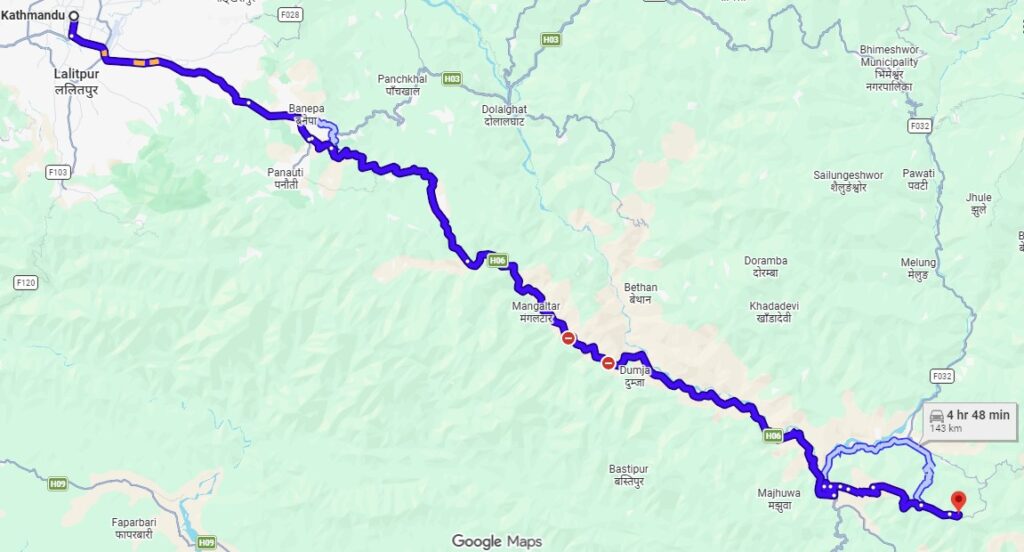
The Kathmandu to Ramechhap journey typically follows major highway corridors before transitioning into hilly roads leading toward Manthali. While travelers often hear names like “BP Highway,” what matters more than the name is the nature of the route itself.
You will experience stretches of paved highway combined with winding hill roads that require cautious driving. Speed varies constantly, and drivers must adjust for curves, elevation changes, and local traffic. This is normal for Nepal and is the reason experienced drivers matter more than the vehicle itself.
Travel guides that describe this route emphasize that it is functional and commonly used but not a fast, straight highway.
Source:
Road condition: the honest, real-world explanation
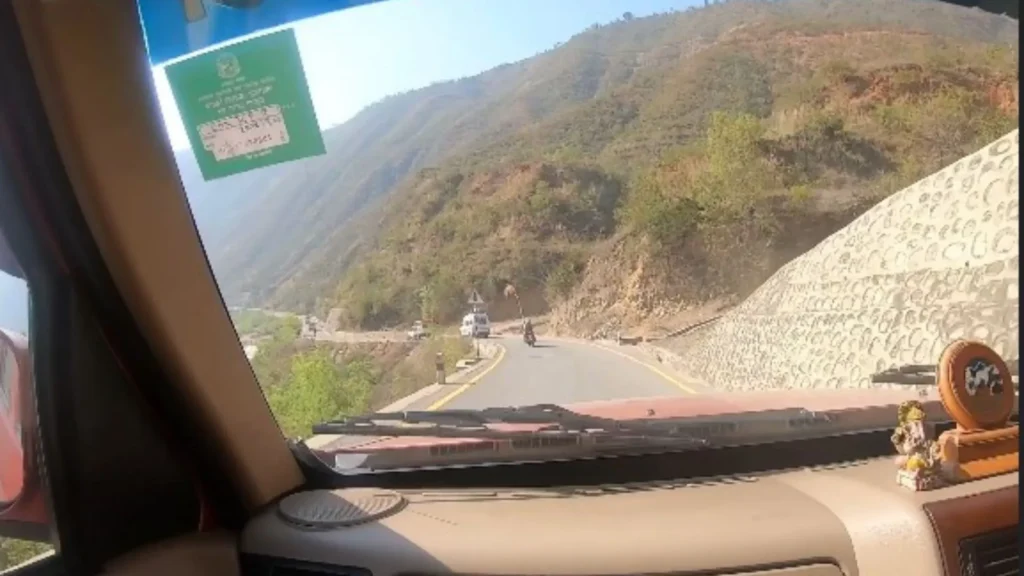
The road from Kathmandu to Ramechhap is mostly paved, but it is not uniformly smooth. Travelers should expect occasional rough sections, sharp bends, and narrow stretches, particularly as the route moves deeper into hilly terrain.
On normal days, the road is manageable and safe when driven by professionals familiar with mountain routes. Motion sickness is common for some passengers due to continuous curves, especially at night or early morning when visibility is lower.
Seasonal impact on road condition
Road condition changes significantly depending on the season.
During spring (March–May) and autumn (September–November) — the peak trekking seasons — road conditions are generally more predictable. This is also when Lukla flights most frequently operate from Manthali due to high air traffic demand.
During the monsoon season, heavy rainfall can trigger landslides and temporary road blockages across Nepal, including major highways. National and international news outlets regularly report road disruptions during intense monsoon periods. Travelers during this season must plan extra buffer time and stay flexible.
In winter, roads are usually passable, but cold temperatures and fog in the early morning can slow travel slightly.
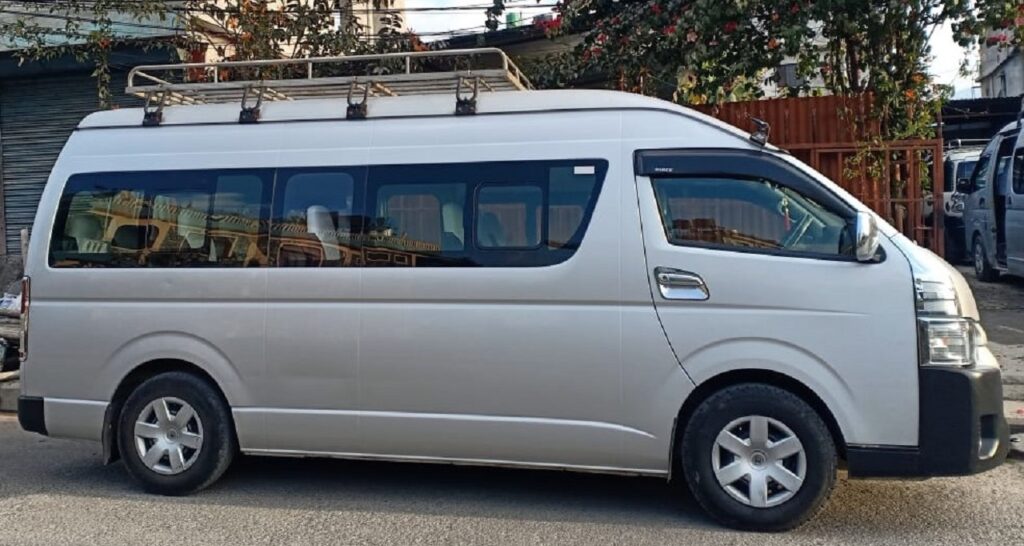
Shared Hiace vs private vehicle: which option suits you?
Choosing the right vehicle plays a major role in comfort and stress level on this route.
Shared Hiace vehicles are widely used by solo travelers and budget-conscious trekkers. They are cost-effective and operate on fixed schedules that align well with Lukla flight timings. However, shared vehicles may include multiple pickups, which can slightly increase travel time.
Private vehicles are better suited for families, groups, or travelers with strict schedules. They allow flexible pickup locations, fewer stops, and more control over breaks. While the cost is higher, many travelers find the reduced stress worth it, especially when connecting to flights.
Your choice should depend on how much flexibility and control you need rather than just price.
How to prepare for the Kathmandu to Ramechhap drive
The journey happens mostly at night or very early morning, so preparation matters. Travelers are advised to carry warm layers, water, light snacks, and a power bank. Motion sickness medication can be helpful for those sensitive to curves. Keeping travel documents easily accessible also helps reduce stress during early check-ins.
How to reduce the risk of missing your Lukla flight
Missing a Lukla flight often comes down to poor timing rather than bad luck. The most reliable approach is to leave Kathmandu early, confirm pickup details in advance, and plan with buffer time instead of optimistic estimates.
Travelers should also understand that even after reaching Manthali, Lukla flights can still be delayed due to mountain weather. The flight itself is short — around 20 minutes — but weather conditions in the Himalayas can change quickly.
Planning calmly and realistically is far more effective than rushing.
Final thoughts: plan for reality, not best-case scenarios
The Kathmandu to Ramechhap journey is not difficult, but it does require realistic planning. The distance is about 132 km, the travel time is 4–6 hours, and road conditions vary by season. When travelers understand these facts clearly, the journey becomes manageable instead of stressful.
If your trip involves Lukla flights, choosing the right departure time and transfer option is just as important as booking the flight itself. Proper planning here protects your entire Everest trekking schedule.
How to Book a Shared Vehicle from Kathmandu to Ramechhap?
Click Here for the reservation or Contact Us:
Posted on