Kathmandu Valley Tour Package
Kathmandu valley tour package journeys begin in a city unlike any other capital on earth—where medieval courtyards, living goddesses, incense-filled temples, and bustling bazaars coexist in a daily sacred rhythm. The Kathmandu Valley’s civilization stretches back more than 2,000 years, with remarkable artistic and architectural achievements flourishing under the Licchavi (c. 400–750 CE) and Malla (c. 1200–1768) dynasties. During the Malla era in particular, rival kings transformed their cities into open-air galleries, competing to construct ever more intricate palaces, tiered temples, stone water spouts, and ceremonial squares. These masterpieces still define the skyline and spirit of the valley today.
Strategically positioned on ancient trade routes between India and Tibet, the valley prospered as a cultural crossroads. This exchange of ideas, goods, and beliefs gave rise to the sophisticated Newar civilization—renowned for masterful wood carving, repoussé metal casting, paubha and thangka painting traditions, and a ritual cuisine woven into festivals and daily worship. Every carved window, bronze deity, and brick-paved alley tells a story of artisanship refined over centuries.
In 1768, King Prithvi Narayan Shah unified Nepal from Kathmandu, establishing it as the political heart of the nation—a role it continues to hold as the capital of the Federal Democratic Republic of Nepal. Despite earthquakes, urban growth, and the passage of time, the old city’s courtyards, shrine-filled lanes, and temple squares remain astonishingly intact, still functioning as vibrant centers of community life rather than static relics of the past.
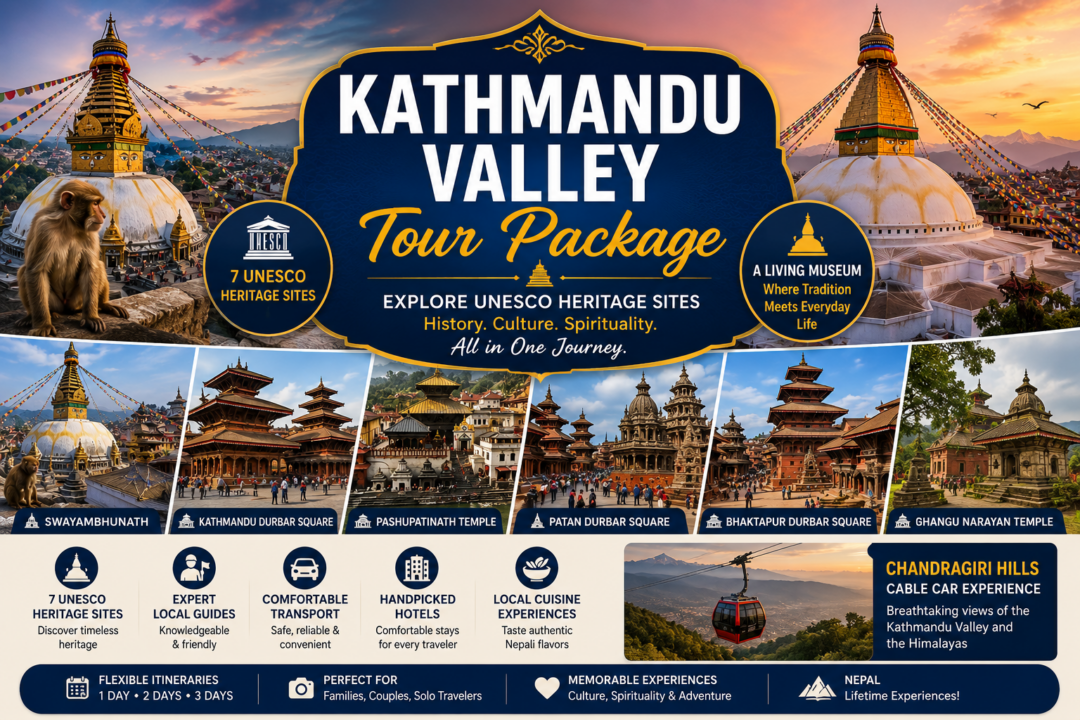
The Kathmandu Valley is more than a destination; it is a profound synthesis of over 1,500 years of continuous cultural evolution. This is why seven distinct monument zones across Kathmandu, Patan, and Bhaktapur were collectively inscribed as a UNESCO World Heritage Site in 1979. Unlike typical heritage listings, these zones are not isolated ruins but living environments where locals pray, celebrate festivals, trade in markets, and carry on traditions passed down through generations.
A Kathmandu tour is therefore not simple sightseeing. It is an immersive passage through living heritage—where prayer wheels spin beside motorbikes, temple bells echo through crowded alleys, butter lamps flicker at dusk, and festivals transform entire squares into stages of devotion and dance. Choosing a well-planned Kathmandu valley tour package allows visitors to experience this extraordinary continuity of culture with context, comfort, and deeper understanding, turning a visit into a meaningful cultural journey rather than a checklist of landmarks.
Kathmandu Valley Tour Package: A Living Museum of History, Culture, and Daily Devotion
A Kathmandu valley tour package offers far more than a city break—it opens the door to a rare cultural landscape where ancient temples, royal courtyards, sacred stupas, and vibrant street life exist in seamless continuity. Within a compact radius, travelers encounter seven UNESCO-listed monument zones shaped by the Licchavi and Malla eras, still active as places of worship, trade, and community gathering. From the living goddess in her palace window to monks circling stupas at dusk, every stop reveals traditions practiced, not preserved behind glass. With smart route planning, local insights, and comfortable transport, this journey becomes an immersive passage through 1,500+ years of living heritage at the heart of Nepal.
The Deep History of Kathmandu valley
The narrative of the Kathmandu Valley begins in the mists of mythology. According to popular legend, the valley was once a vast, shimmering lake known as Nagdaha (the lake of snakes). The Bodhisattva Manjushri, observing a bright flame atop a lotus in the lake’s center, used his sword of wisdom, Chandrahrasha, to cut a gorge at Chobar. The waters drained out, revealing the fertile valley floor, and the site of the flame became the Swayambhunath Stupa.
The Ancient Era (Kirat & Licchavi Dynasties)
Documented history traces back to the Kirat period (around 800 BCE), followed by the Licchavi dynasty (400–750 AD), which is often celebrated as the “Golden Age” of Nepal. The Licchavis, immigrants from the Vaishali republic in India, introduced organized governance and built the first permanent Buddhist monasteries. During this time, the valley became a critical trade hub between India and Tibet, generating the wealth that funded iconic structures like the Pashupatinath Temple and early versions of the Kathmandu Durbar Square.
The Malla Golden Age (1200–1768 AD)
The Malla period represented the peak of artistic and architectural achievement. It was during this era that the valley was divided into three rival kingdoms: Kantipur (Kathmandu), Lalitpur (Patan), and Bhadgaon (Bhaktapur). Each king sought to outdo the others in the grandeur of their royal plazas, resulting in the three Durbar Squares seen today. The Mallas were patrons of the Newari craftsmen, whose intricate wood and stone carvings define the “pagoda” style that is synonymous with Nepalese architecture.
The Shah Unification and Rana Rule (1768–1951 AD)
In 1768, King Prithvi Narayan Shah of Gorkha unified the valley, establishing the Shah dynasty and making Kathmandu the capital of a unified Nepal. However, the 1846 Kot Massacre shifted power to the Rana family, who ruled as hereditary prime ministers for over a century. The Ranas introduced Western European architectural styles, visible in grand white palaces like Singha Durbar and the Garden of Dreams.
Modern Era and Democracy
Following the overthrow of the Ranas in 1951, Nepal moved through various political systems before finally adopting a federal democratic policy in 2006. Today, Kathmandu is a bustling metropolis that carefully balances its rapid modernization with the preservation of its ancient sacred sites.
Major Attractions
- Kathmandu Durbar Square: The historic seat of royalty featuring the Hanuman Dhoka Palace and the residence of the Kumari, the Living Goddess.
- Patan Durbar Square: Known as the “City of Fine Arts,” it houses the stone Krishna Mandir and the world-class Patan Museum.
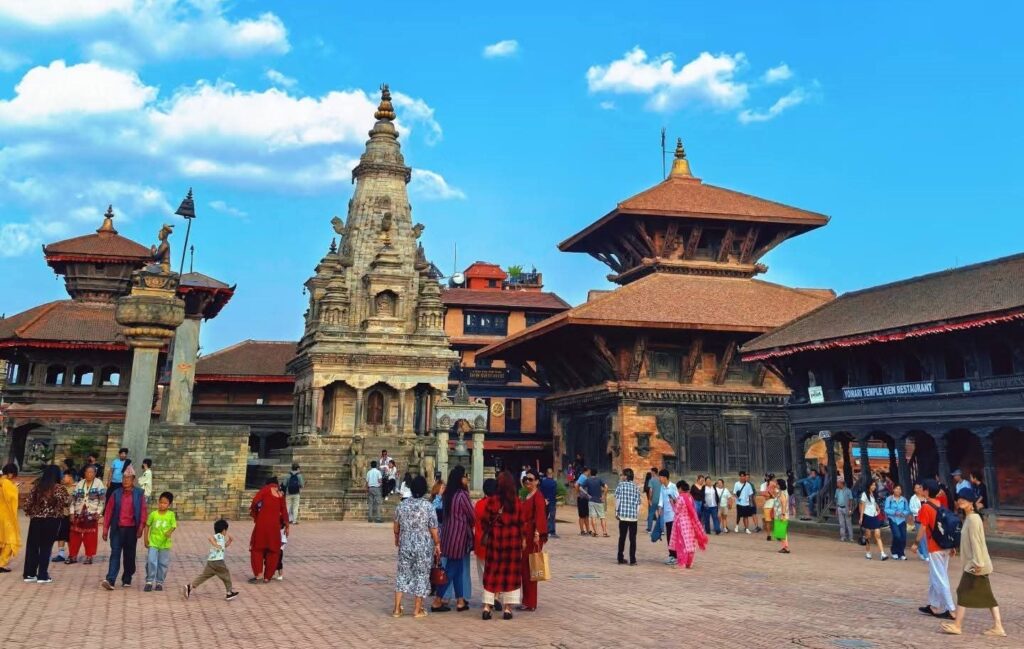
- Bhaktapur Durbar Square: A preserved medieval city famous for the 55-Window Palace and the five-story Nyatapola Temple.
- Pashupatinath Temple: The holiest Hindu site in Nepal, dedicated to Lord Shiva, located on the banks of the sacred Bagmati River.
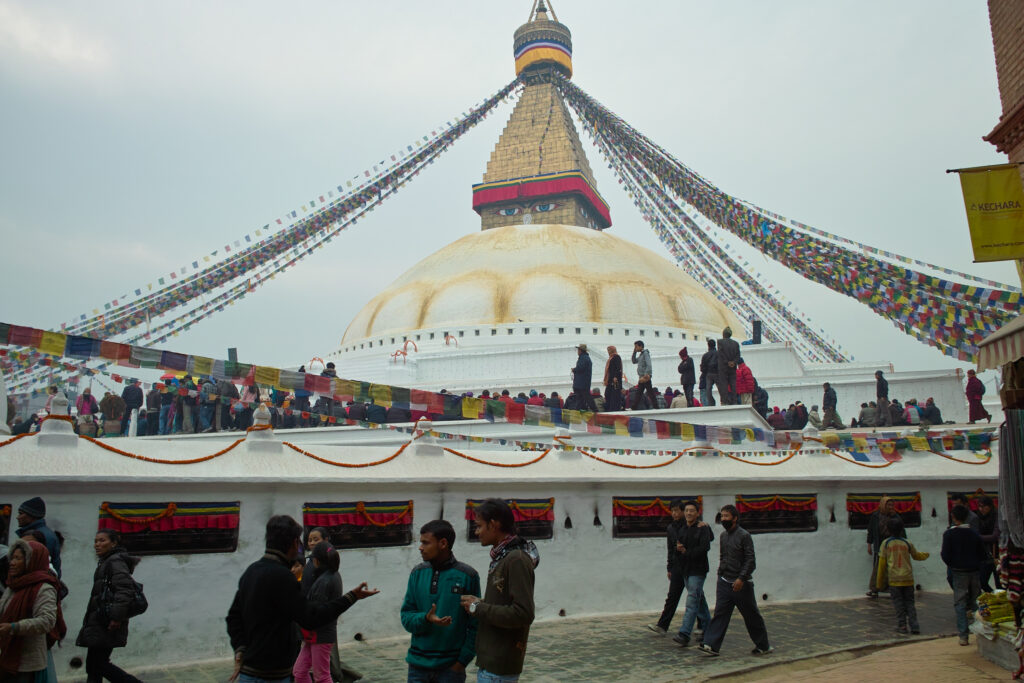
- Boudhanath Stupa: One of the largest stupas in the world and the spiritual heart of the Tibetan community in Nepal.
- Swayambhunath (Monkey Temple): A hilltop sanctuary offering panoramic views and a blend of Hindu and Buddhist symbolism.
- Changu Narayan Temple: The oldest living temple in the valley, featuring inscriptions dating back to the 4th century.
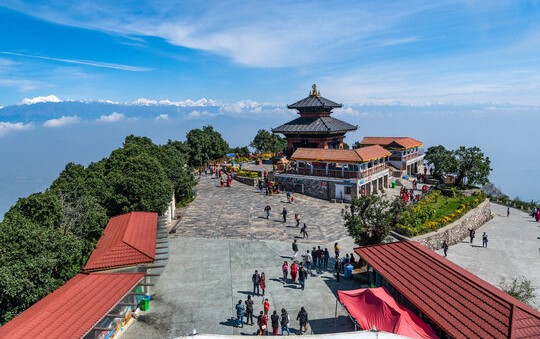
- Chandragiri Hills: A modern attraction featuring a cable car ride to 2,551 meters for a 180-degree view of the Himalayan range.
Highlights of the Kathmandu valley Tour
- Spiritual Immersion: Witness the daily Aarati ceremony at Pashupatinath or perform kora (circumambulation) at Boudhanath.
- Artistic Mastery: Explore the world-renowned bronze work and woodcarvings of Patan and Bhaktapur.
- Himalayan Panoramas: Catch a sunrise over Everest from the Nagarkot viewpoint or the Chandragiri hilltop.
- Living Heritage: The rare opportunity to catch a glimpse of the Kumari at her window in Kathmandu Durbar Square around 10:30 AM.
Entry Fees Summary – Kathmandu Sightseeing Tour
| Heritage Site | SAARCE Nationality (Cost NPR) | Foreigner Nationality (Cost NPR) | Remarks |
| Pashupatinath Temple | NPR 1,000 per day per entry. For Indian nationality for free | NPR 1,000 per day per entry. | Tourists can view the temple from the back premises |
| Boudhanath Stupa | NPR 100.00 Per Person | NPR 400 Per Person | Below 10 years free. |
| Kathmandu Durbar Square, including Museum | NPR 500 Per entry (BIMSTEC) | NPR 1000.00 Per entry | Below 10 years free. |
| Swayambhunath Stupa | NPR 50.00 per entry | NPR 200.00 Per entry | Below 10 years free. |
| Patan Durbar Square, including Patan Museum | NPR 250 per entry (BIMSTEC) | NPR 1,000 per day per entry. | Below 10 years free. |
Why Choose a Kathmandu Valley Tour?
Kathmandu offers a density of heritage unmatched in South Asia. Within a single day, travelers can transition from the serene silence of a Buddhist monastery to the intense, ancient rituals of a Hindu temple. It is the ultimate destination for those seeking cultural depth, spiritual exploration, and a gateway to the high Himalayas.
How to Travel in Kathmandu
Navigating the city in 2026 is facilitated by a mix of traditional and digital options:
- Ride-Sharing Apps: Pathao and InDrive are the standard for tourists. Pathao offers quick motorbike taxis (NPR 150–200 for short trips), while InDrive allows car fare negotiations.
- Public Transport: Local buses are the cheapest option (NPR 24 minimum fare for up to 5km), though they can be crowded.
- Private Vehicle Rental: For safety, comfort, and flexibility, hiring a private vehicle through a provider like Transport Hire Nepal is the most recommended method.
How to find Transport Hire Nepal at the Airport?
When you arrive at Tribhuvan International Airport (TIA), follow these steps to meet your driver:
- Clear Customs: After collecting your luggage and clearing immigration, proceed to the main exit point.
- Locate the Meeting Area: Look for the designated arrival hall meeting zone.
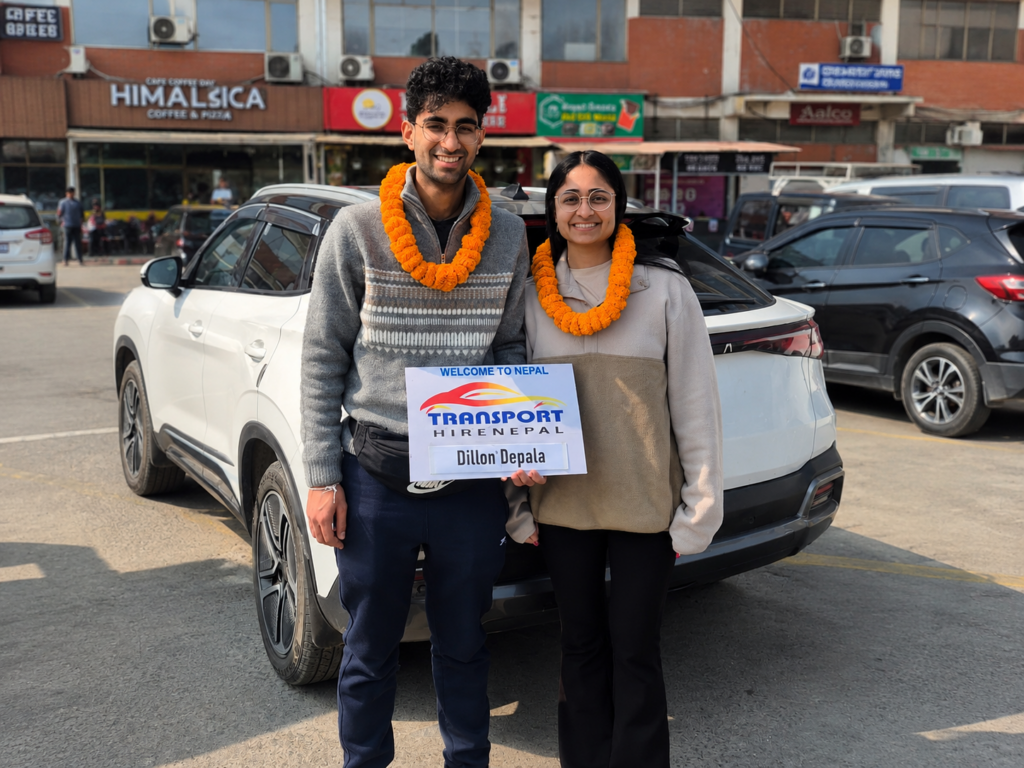
- Find Your Name: A Transport Hire Nepal driver will be waiting with a printed placard featuring your name or the company logo.
- 24/7 Monitoring: If your flight is delayed, do not worry; our team monitors flight schedules in real-time to adjust pickup times automatically.
Hotels in Kathmandu
- Thamel Hub: The heart of the tourist district, home to guesthouses like Kathmandu Peace Home and boutique stays like Maya Manor.
- Luxury Stays: Kathmandu Marriott, Hotel Yak & Yeti, and the heritage Hotel Manaslu offer premium comforts.
- Boudha & Patan: For a quieter stay, consider hotels near the stupa or the artistic alleys of Patan.
Food in Kathmandu
Must-Try Newari Cuisine:
- Samay Baji: A ritual platter with beaten rice, buffalo choila, and beans.
- Yomari: A steamed rice-flour dumpling with sweet molasses filling.
- Bara: Savory lentil pancakes.
- Juju Dhau: The “King of Curds” from Bhaktapur
- Top Restaurants: Bhojan Griha (Dillibazar), Paleti Bhanchha Ghar (Thamel)
- SaSa: The Newa Restaurant (Kirtipur).
- Food Tour in Kathmandu
What is a UNESCO Heritage Site?
A UNESCO World Heritage Site is a location recognized by the United Nations for having “outstanding universal value” to humanity. In Kathmandu, this designation is unique because it encompasses seven different zones within one valley, representing the seamless co-existence of Hindu and Buddhist traditions over a millennium.
Here is the expanded itinerary section with richer descriptions and Chandragiri Hills Cable Car added for a more complete Kathmandu Valley Tour Package experience.
Itinerary: Kathmandu valley Tour Package:
Kathmandu UNESCO Highlights -Day Trips
A compact but powerful introduction to Kathmandu’s living heritage, designed for travelers with limited time.
Morning – Swayambhunath Hilltop Spiritual Start
Begin your journey at Swayambhunath Stupa, one of the oldest religious sites in the valley. The climb of stone steps is rewarded with sweeping panoramic views of Kathmandu city. Prayer flags flutter across the hilltop as monkeys roam freely, and the eyes of the Buddha gaze over the entire valley, symbolizing wisdom and awareness.
Midday – Royal History at Kathmandu Durbar Square
Continue to Kathmandu Durbar Square, the historic royal palace complex of Nepal’s former kings. Walk through ancient courtyards, admire intricate wooden architecture, and visit the sacred Kumari residence, where the living goddess occasionally appears at the window.
Afternoon – Sacred Energy at Pashupatinath
Visit Pashupatinath Temple, Nepal’s most important Hindu temple along the holy Bagmati River. Observe rituals at the cremation ghats and experience the spiritual evening Aarati ceremony, where oil lamps and chants create a deeply moving atmosphere.
Evening – Sunset at Boudhanath Stupa
End the day at Boudhanath Stupa, one of the largest Buddhist stupas in the world. Walk the kora path with pilgrims, spin prayer wheels, and enjoy a peaceful rooftop sunset view surrounded by monasteries.
Kathmandu Valley Heritage Tour – 2 Day Trips
A more relaxed itinerary covering both Hindu and Buddhist heritage along with medieval cities.
Day 1 – Classic UNESCO Circuit
Repeat the iconic route: Swayambhunath → Kathmandu Durbar Square → Pashupatinath → Boudhanath.
This day allows deeper exploration, including museum visits, photography time in courtyards, and café stops around Thamel and Boudha. Travelers begin to understand Kathmandu not just as monuments, but as a living city shaped by ritual and rhythm.
Day 2 – Patan, Bhaktapur & Artisan Culture
Morning – Patan’s Artistic Soul
Explore Patan Durbar Square, known for its refined Newari craftsmanship. The Krishna Mandir, built entirely of stone, stands as a masterpiece of Shikhara architecture. The nearby Patan Museum showcases some of South Asia’s finest sacred art collections.
Afternoon – Medieval City of Bhaktapur
Travel to Bhaktapur Durbar Square, a city that feels frozen in time. Walk through brick-paved lanes, admire the towering Nyatapola Temple, and taste the famous Juju Dhau, the creamy “King of Yogurt.”
Sunset Extension – Chandragiri Hills Cable Car
End your day with a scenic ride to Chandragiri Hills. The cable car ascends above green forests and valleys, revealing a breathtaking Himalayan panorama. On clear evenings, peaks like Langtang and Ganesh Himal glow in golden light during sunset.
Complete Kathmandu Valley Experience -Multi Day Trips
The most balanced itinerary covering all UNESCO zones with a mountain viewpoint finale.
Day 1 – Hilltop Views & Buddhist Stupas
Start at Swayambhunath, explore Kathmandu Durbar Square, and end with the peaceful energy of Boudhanath Stupa. This day introduces both Hindu royal heritage and Tibetan Buddhist spirituality.
Day 2 – Sacred Rituals & Artistic Legacy
Begin at Pashupatinath for morning rituals along the Bagmati River. Continue to Patan Durbar Square, where bronze workshops and ancient courtyards reveal centuries of craftsmanship. Enjoy local Newari cuisine in the evening.
Day 3 – Medieval City + Himalayan Panorama
Morning – Bhaktapur Heritage Walk
Explore Bhaktapur Durbar Square in depth, visiting temples, pottery squares, and traditional artisan streets.
Midday – Changu Narayan Temple
Continue to Changu Narayan Temple, the oldest Hindu temple in the valley, surrounded by peaceful hilltop scenery and ancient inscriptions dating back over 1,500 years.
Evening – Chandragiri Hills Cable Car Finale
Finish your journey at Chandragiri Hills. The cable car ride offers a dramatic final view of the entire Kathmandu Valley framed by Himalayan peaks—a perfect closing moment for your cultural journey.
Weather in Kathmandu
- Spring (March–May): Warm and green; best for trekking and flowers.
- Monsoon (June–August): Humid and rainy; lush green landscapes but obstructed mountain views.
- Autumn (September–November): Peak season; clear skies, crisp mountain views, and major festivals.
- Winter (December–February): Cool and dry; great for clear morning panoramas, though nights are cold.
Transportation in Kathmandu
Transport Hire Nepal (est. 2015) provides a professional fleet for all needs:
- Cars: Ideal for couples and small groups (1–3 pax).
- Scorpio/Jeeps: Recommended for off-road trips or comfortable rural travel (4–6 pax).
- Hiace Vans/Coaster Buses: Perfect for medium to large groups (7–25 pax).
- Rates: Full-day city hire (8 hours) typically starts from USD 90.

FAQ
1. Do I need a visa for Nepal?
Yes. Most foreign nationals require a tourist visa on arrival in Nepal. The standard fee is approximately USD 30 for 15 days, with options for longer durations (30 or 90 days). SAARC nationals receive reduced visa fees depending on bilateral agreements, while Indian citizens do not require a visa to enter Nepal (valid ID required).
2. What is the entry fee for Pashupatinath Temple?
The entry fee for Pashupatinath Temple is generally around NPR 1,000 for foreign visitors and SAARC nationals, while Indian citizens can enter free of charge. Fees may be updated by local authorities in 2026, so always confirm at the entrance.
3. Is ride-sharing available in Kathmandu?
Yes. Ride-hailing services such as Pathao and InDrive operate widely in Kathmandu. You can book:
- Motorbike taxis for quick, low-cost travel
- Cars for comfortable short-distance transfers
These apps are widely used for city navigation and are often faster than traditional taxis in traffic.
4. How do I get a local SIM card in Nepal?
Local SIM cards are available at Tribhuvan International Airport and city outlets. Requirements include:
- Passport
- Passport-sized photo
- Visa copy
Top providers:
- Ncell – Best for urban coverage and high-speed data
- NTC (Nepal Telecom) – Best for rural and trekking regions
5. Can I see the Living Goddess in Kathmandu?
Yes. The Living Goddess Kumari resides at Kathmandu Durbar Square, specifically in Kumari Ghar. She typically appears at her window for visitors around 10:30 AM, although timings and appearances depend on tradition and rituals.
6. Which direction should I walk around stupas?
Always walk clockwise (left to right) around stupas and prayer wheels. This practice, known as kora or pradakshina, is a sacred Buddhist tradition symbolizing respect and spiritual alignment.
7. What should I wear when visiting temples?
Visitors should dress modestly:
- Shoulders and knees must be covered
- Avoid sleeveless tops, short skirts, or shorts in sacred areas
- Shoes must be removed before entering temple interiors
Respectful attire ensures smooth access to religious sites.
8. Is tap water safe to drink in Kathmandu?
No. Tap water in Kathmandu is not safe for drinking. Travelers should use:
- Bottled mineral water
- Filtered or boiled water
- Refillable purification bottles
This is strongly recommended throughout your trip.
9. What are the best months for clear mountain views?
The clearest Himalayan visibility is typically during:
- October
- November
- December
These months follow the monsoon season, offering crisp skies and excellent photography conditions, especially from viewpoints like Chandragiri Hills and Nagarkot.
10. How long do I need to explore Kathmandu’s UNESCO sites?
A minimum of 1 full day allows you to see 4 major UNESCO sites using a fast loop itinerary. However:
- 2 days is ideal for relaxed exploration of all 7 monument zones
- 3 days is recommended for deeper cultural experiences, including Bhaktapur, Patan, and Changu Narayan
A well-planned Kathmandu valley tour package ensures you experience both heritage and local life without rushing.
Hindu Pilgrimage Tour Package list:
- Hindu Pilgrimage Kathmandu Valley Tour Package
- Sacred Hindu Temple Tour in Kathmandu Valley
- Kathmandu Hindu Religious Tour Package | Pashupatinath & More
- Hindu Spiritual Journey Nepal Tour Package
- Kathmandu Valley Hindu Culture & Pilgrimage Tour
Buddhist Pilgrimage Tour Package list:
- Buddhist Pilgrimage Kathmandu Valley Tour Package
- Sacred Buddhist Heritage Tour in Kathmandu Valley
- Kathmandu Buddhist Spiritual Tour Package | Stupas & Monasteries
- Buddhist Culture Tour Nepal | Swayambhunath & Boudhanath
- Kathmandu Valley Buddhist Circuit Tour Package
Conclusion
A Kathmandu Valley tour is a journey through time, faith, and artistry. By choosing Transport Hire Nepal, you ensure that your exploration of these sacred UNESCO sites is defined by comfort, safety, and local expertise. Whether you are seeking a 3-day layover highlight or a deep spiritual residency, the “City of Temples” awaits you with open arms and a 1,500-year-old story.