Kathmandu to Chitwan Private Vehicle
The overland expedition from the high-altitude basin of the Kathmandu Valley to the sprawling, subtropical floodplains of the Terai region represents one of the most critical and highly traversed logistical corridors in the Federal Democratic Republic of Nepal. Covering a variable distance of 150 to 175 kilometers—contingent upon whether the specific drop-off coordinates are situated in the urban center of Bharatpur or the tourist-centric peripheral settlement of Sauraha—this route fundamentally transforms the traveler’s geographical, meteorological, and cultural environment. For the modern traveler executing this journey in 2026, the strategic deployment of a private vehicle hire stands out as the premier logistical solution, effectively bridging the vast operational gap between the rigid, often heavily delayed schedules of commercial domestic aviation and the notoriously congested, rigid frameworks of public tourist bus networks.
Navigating the Kathmandu to Chitwan route requires an intimate understanding of Nepal’s unique infrastructural landscape. The journey primarily relies on the Prithvi Highway, a vital economic and transport artery that snakes precipitously through the steep, river-carved valleys of the Mahabharat Range. Under standard meteorological and traffic conditions, this vehicular transit requires approximately five to seven hours of continuous driving. However, this transit is far from a mere logistical transfer; it operates as an immersive geographical showcase. As the vehicle systematically descends from the Kathmandu Valley, which sits at a formidable elevation of approximately 1,400 meters, the dense, particulate-heavy urban environment rapidly dissipates, yielding to the staggering natural beauty of terraced agricultural hillsides, sheer gorge drops, and the relentless, roaring rapids of the Trishuli River. The transition is equally atmospheric. The crisp, frequently temperate climate of the Himalayan foothills is gradually and perceptibly replaced by the dense, humid, and deeply oxygenated atmosphere of the Terai lowlands, signaling the approach to one of the Indian subcontinent’s most vital biosphere reserves.
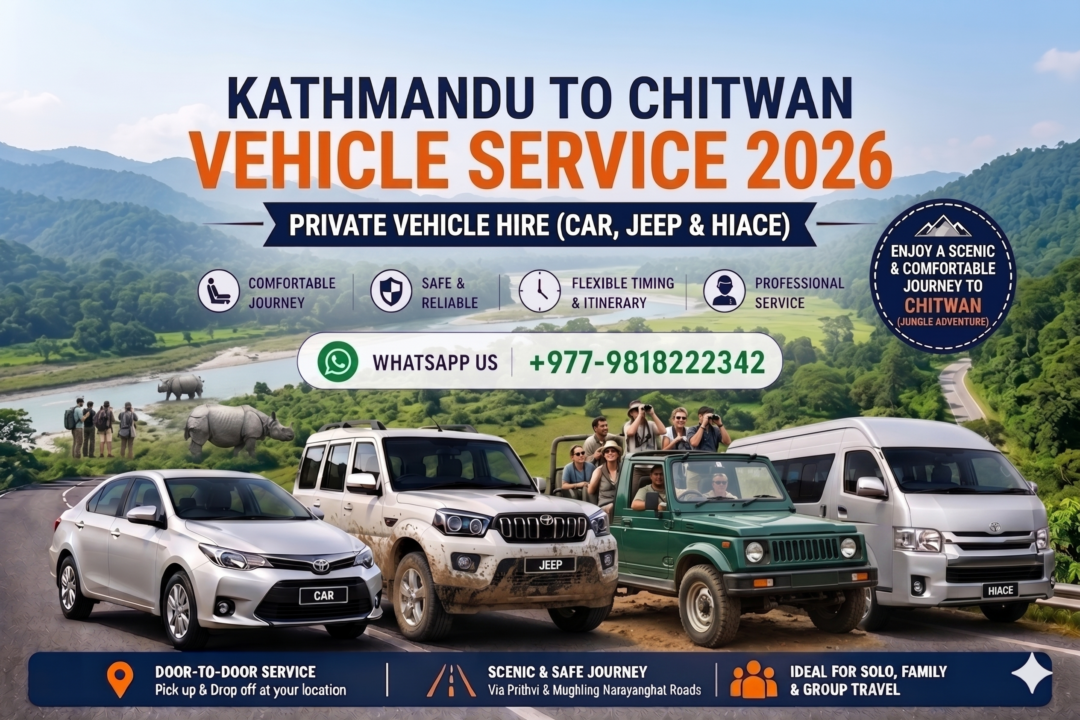
Opting for private vehicle hire—whether a streamlined, fuel-efficient sedan for solo travelers, a rugged, ladder-frame 4WD jeep for expeditions, or a high-capacity Hiace van for larger cohorts—fundamentally alters the operational reality of the travel experience. While public tourist buses remain a highly utilized and cost-effective method of transit, they are inherently bound to rigid, immutable itineraries characterized by mandated, highly populated rest stops and early morning departure schedules that plunge the traveler directly into Kathmandu’s most severe exit congestion. Conversely, private transit affords the passenger complete logistical sovereignty and tactical flexibility. Travelers retain the operational authority to dictate precise departure times, actively avoiding the heavy morning commercial freight bottlenecks that plague the Thankot pass. Furthermore, private transport allows for dynamic, spontaneous deviations from the primary route to engage deeply with the surrounding landscape, facilitating unhurried pauses at the riverbanks of Malekhu or the cable car stations of Kurintar.
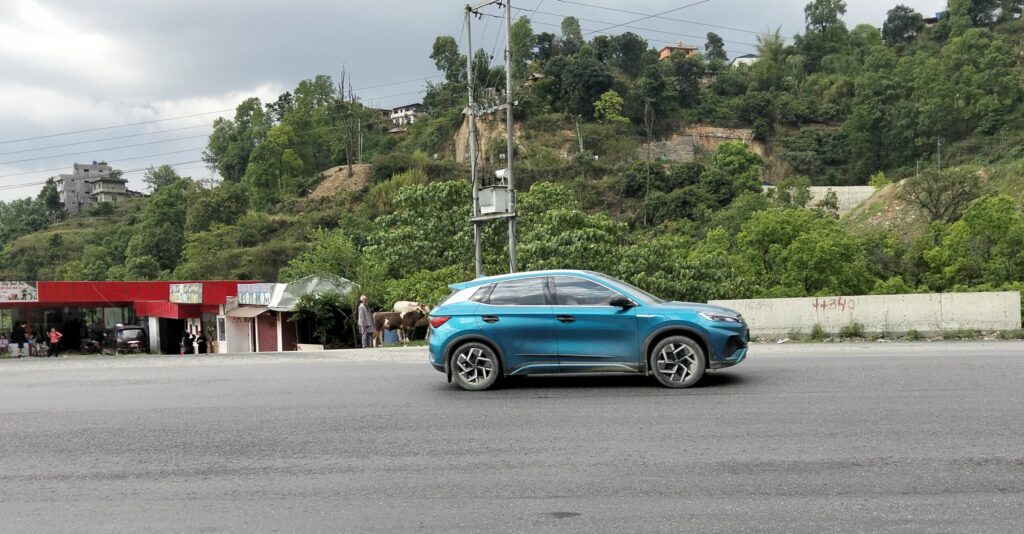
The physical realities of the Nepalese road infrastructure inherently dictate the necessity of both a highly maintained vehicle and an extensively experienced local driver. The designated route is characterized by severe topographical challenges, encompassing sharp, blind switchbacks, exceedingly narrow passing lanes, and prolonged segments perpetually subject to heavy engineering, maintenance, or widening projects—particularly along the historically volatile Mugling-Narayanghat corridor. The climatic realities of the region, specifically during the intense precipitation of the monsoon season, introduce highly unpredictable variables such as sudden debris flows, localized flash flooding, and severe road surface degradation. Such conditions mandate that drivers possess acute situational awareness, a deep understanding of local traffic behaviors, and that the vehicles themselves maintain optimal mechanical integrity, particularly regarding suspension, braking systems, and tire tread depth.
Analyzing the broader logistical and tourism landscape of Nepal in 2026, it becomes increasingly evident that overland travel to the southern plains is not merely a precursor to the destination but an immersive prelude to the ecological wonder of the region itself. Chitwan National Park, globally recognized as a UNESCO World Heritage Site, stands as a monumental triumph of international wildlife conservation. It harbors some of the world’s most concentrated and heavily protected populations of the Greater One-Horned Rhinoceros and the elusive Royal Bengal Tiger. Arriving at the park’s periphery in the secure, climate-controlled environment of a private vehicle ensures that travelers transition into the physically demanding environments of high-humidity jungle safaris fully rested, properly acclimatized, and entirely devoid of the fatigue typically associated with regional public transit. Ultimately, the Kathmandu to Chitwan overland route serves as a perfectly condensed microcosm of Nepal’s staggering topographical diversity, and traversing this corridor via private vehicle hire effectively transforms a potentially exhausting logistical endeavor into a seamless, highly enriching component of the broader Himalayan exploration.
Why Vehicle Hire with Transport Hire Nepal: Kathmandu to Chitwan
Within the highly fragmented, intensely competitive, and frequently unregulated landscape of South Asian transportation logistics, establishing verified consumer trust and ensuring absolute mechanical reliability remain paramount concerns for both international and domestic travelers. Transport Hire Nepal, officially established in 2015, has systematically constructed a corporate operational framework engineered precisely to address these specific logistical pain points. Operating out of Kathmandu’s primary tourist and commercial hub, Thamel, the agency has consolidated a formidable reputation as a premier logistical partner by strictly adhering to rigorous international service standards and maintaining a highly vetted, mechanically superior transport fleet.
The primary pillar of consumer trust supporting Transport Hire Nepal is its unyielding commitment to absolute pricing transparency, a rarity in the regional transport sector. In the broader Nepalese vehicle rental market, a notoriously opaque hidden cost known as the “Bhatta”—a mandatory daily financial allowance intended to cover the driver’s food, off-duty hours, and overnight lodging—frequently leads to severe disputes, stranded passengers, and unexpected budget inflations during the execution of an itinerary. Standard, lower-tier market practices routinely exclude this fee from the initial quotation, only to demand cash daily, with remote regional rates scaling from NPR 1,500 to upwards of 3,500 per night. Transport Hire Nepal structurally and permanently eliminates this operational ambiguity. Their formally quoted rates universally and explicitly include the vehicle rental, all required fuel, standard government road taxes, regional tolls, necessary parking fees, uninterrupted air-conditioning usage, and the comprehensive driver’s allowance (Bhatta). This policy ensures zero financial surprises or mid-journey negotiations during the execution of the transport contract.
Furthermore, the agency’s operational legitimacy is firmly cemented through extensive formal government registrations and strict industry affiliations. The company exclusively operates vehicles bearing the mandatory “Green Number Plate,” an official, highly regulated vehicle designation issued by the Department of Tourism (DOT) strictly reserved for authorized, legally compliant tourist transport. They maintain active, standing memberships with the Nepal Association of Tour and Travel Agents (NATTA) and the Nepal Tourist Vehicle Association, ensuring rigorous compliance with continuous, dynamic regulatory updates. This includes adherence to modern safety mandates such as the mandatory installation of onboard first aid kits, standardized fire extinguishers, strict seatbelt enforcement, and ongoing compliance with progressive emission standards.
The critical human element of Transport Hire Nepal’s operations further solidifies consumer trust and operational safety. Recognizing the extreme, highly specialized driving skill required to navigate Nepal’s unforgiving topography safely, the company enforces strict, uncompromising anti-fatigue policies and explicitly prohibits client self-driving under any circumstances. Their dedicated roster of professional drivers is not merely mechanically proficient and fully licensed; they are rigorously trained in basic English and Hindi communications, effectively acting as de facto local guides and logistical fixers. These drivers possess deep, specialized knowledge of regional nuances, optimal safe rest stops, current road conditions, and emergency response protocols. This comprehensive dedication to passenger safety, combined with highly flexible, customer-centric cancellation policies and a consistently superior rating matrix maintained across global platforms such as Trustpilot and TripAdvisor, definitively establishes Transport Hire Nepal as the operational benchmark for vehicular reliability in the Himalayas.
What to Expect
Travelers embarking on the Kathmandu to Chitwan overland journey must carefully calibrate their logistical expectations regarding both the extreme natural environment and the complex infrastructural realities defining Nepal’s national highway system.
- The Main Route: The primary navigational route relies heavily on the Prithvi Highway, extending seamlessly into the critical Mugling-Narayanghat road section. While significant portions have been modernized, widened, and paved, the inherent geological youth of the Himalayan foothills means the terrain remains fundamentally volatile.
- Kathmandu to Naubise (28 km): The initial navigational segment outbound from Kathmandu involves a demanding, steep, and highly technical winding descent. This specific section frequently experiences severe, prolonged congestion due to the sheer volume of heavy commercial freight trucks entering or exiting the valley.
- Naubise to Mugling (82 km): Following the descent, the highway tracks closely alongside the Trishuli River. In 2026, ongoing, large-scale infrastructural expansion and vital road-widening initiatives in this corridor may result in intermittent exposure to airborne dust, uneven temporary gravel surfaces, and localized traffic controls.
- Mugling to Narayanghat (25 km): This infrastructural stretch serves as a highly critical national chokepoint. Historically deeply prone to massive geological shifts and landslides (especially during the monsoon months), this area occasionally necessitates sudden, temporary traffic suspensions as heavy machinery clears fallen rock and debris.
- Narayanghat to Sauraha (28 km): Once the vehicle successfully navigates past Narayanghat, the final approach to the tourist hub of Sauraha transitions into a remarkably smooth, well-paved, and highly efficient lowland highway, allowing for rapid transit directly to your resort gates.
- Journey Times: Passengers utilizing private vehicle hire can expect a highly curated, remarkably comfortable travel rhythm. Total journey times typically average a highly efficient five to six hours, presenting a stark contrast to the grueling seven to eight hours routinely required by fully loaded public buses.
- Strategic Stops: The personalized itinerary inherently allows for dynamic, strategic stops at culturally and gastronomically significant highway locations. You can make unhurried pauses at the riverside town of Malekhu for local fish, stop at Kurintar for the Manakamana cable car, or take a short refreshing detour to the 60-meter Jalbire Waterfall.
Itinerary (Day Trips)
For travelers seeking a fully structured, highly optimized experience, managing the profound transition from the chaotic urban density of Kathmandu to the deep, silent jungle of the Terai is best executed through a comprehensive, expertly curated 3-day itinerary. This structured deployment, heavily facilitated by Transport Hire Nepal, maximizes the time spent actively within the biological ecological zones while systematically minimizing any logistical friction or transit fatigue.
Day 01: Descent from the Capital to the Biosphere
The logistical operation commences early in the morning, purposefully timed to preempt the heavy commercial freight traffic exiting the Kathmandu Valley. Over the course of the highly scenic five to six-hour drive, the topography outside the vehicle window shifts dramatically as the transport traces the deep Trishuli River gorge downwards toward the plains. Upon arrival in Sauraha—the primary, bustling gateway town adjacent to Chitwan National Park—travelers are seamlessly transferred to their respective selected lodges or luxury resorts. The immediate afternoon allows for necessary check-in procedures and critical physical acclimatization to the notably warmer, highly humid subtropical climate.
The late afternoon is specifically reserved for a guided, low-impact village walk. This provides a gentle, immediate introduction to the indigenous Tharu communities, showcasing their traditional, highly sustainable architectural practices and unique agricultural methodologies. As dusk settles over the plains, the cultural immersion deepens significantly with organized attendance at a dedicated Tharu cultural center. Here, local performers execute the hypnotic, physically demanding stick dance, an ancient art form designed to mimic the historical defense against predatory animals. The evening concludes with a traditional dinner at the resort, preparing travelers for the demanding early schedule of the following day.
Day 02: Deep Ecological Immersion and Safari
The second day is entirely and rigorously dedicated to the active exploration of the UNESCO-protected biosphere. Operations typically commence at dawn, the optimal, critical window for advanced ornithological observation before the intense heat drives fauna into the dense underbrush. Guided nature walks along the misty riverine forests allow participants to visually identify various rare species among the 500+ birds documented in the park boundaries.
The core, high-intensity activity immediately follows breakfast: the deep jungle safari. Travelers possess the option to navigate the heavily rutted, rugged terrain in a specialized open-top 4WD jeep or to take an elevated, historically traditional approach via an elephant-back safari. Both highly regulated methods are specifically engineered to track the subtle movements of the Greater One-Horned Rhinoceros, various herds of deer, wild Asian elephants, and, for the statistically fortunate, the apex Royal Bengal Tiger.
Following the intense terrestrial safari and a midday rest to avoid peak solar radiation, the afternoon transitions smoothly to the exploration of the park’s vital aquatic ecosystems. A silent, entirely non-motorized traditional dugout canoe ride along the meandering Rapti River offers a serene, highly photogenic, and ecologically intimate experience. This specific activity yields the highest probability of closely observing the prehistoric, critically endangered Gharial crocodile and the highly adaptable marsh mugger basking openly on the exposed river sandbanks. The operational day officially concludes with a visit to the government-operated Elephant Breeding Center, offering profound educational insights into the highly complex conservation, veterinary care, and husbandry efforts required to maintain healthy, viable pachyderm populations in the region.
Day 03: Departure and Onward Transit
The final morning of the itinerary allows for a highly relaxed breakfast and a final opportunity for brief, casual birdwatching on the resort grounds. Following standard check-out procedures, the private vehicle is loaded for the return journey. Because of the highly strategic, centralized geographic location of the Chitwan district, travelers possess complete logistical flexibility. Depending on the broader expedition goals, the private driver can execute an ascent back to the international transit hub of Kathmandu, traverse westward through the hills toward the highly popular lakeside city of Pokhara, or head southwest across the flatlands directly to Lumbini, the historic birthplace of Buddha. The retained private driver ensures an absolutely smooth, uninterrupted transition to the next critical phase of the broader Nepalese expedition.
Kathmandu to Chitwan Private Vehicle Transfer Cost (One-Way)
| Vehicle Type | Passenger Capacity | Best For | Cost (USD) | Vehicle Examples |
|---|---|---|---|---|
| Standard Car | 1–3 Persons | Solo travelers, couples, and small families seeking an economical private transfer | $130 | Suzuki Dzire, Skoda Rapid, Toyota Etios |
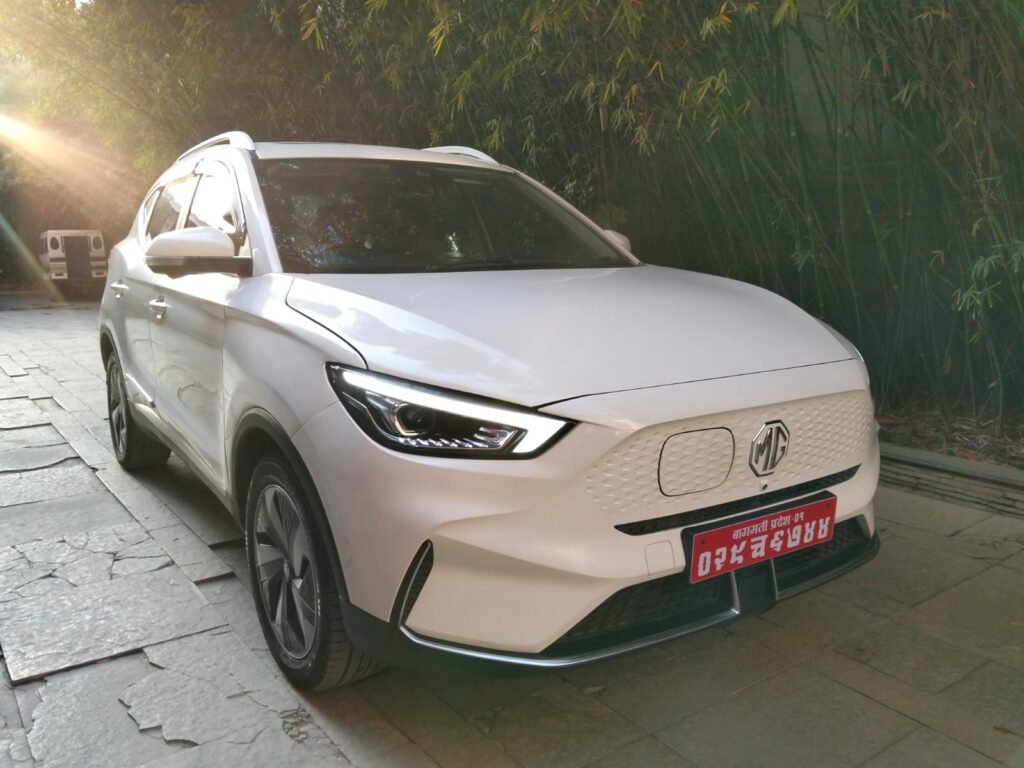
| Luxury SUV / EV Car | 1–4 Persons | Travelers looking for enhanced comfort, premium interiors, and a smooth ride | $150 | BYD Atto 3, Hyundai Kona EV, MG ZS EV |
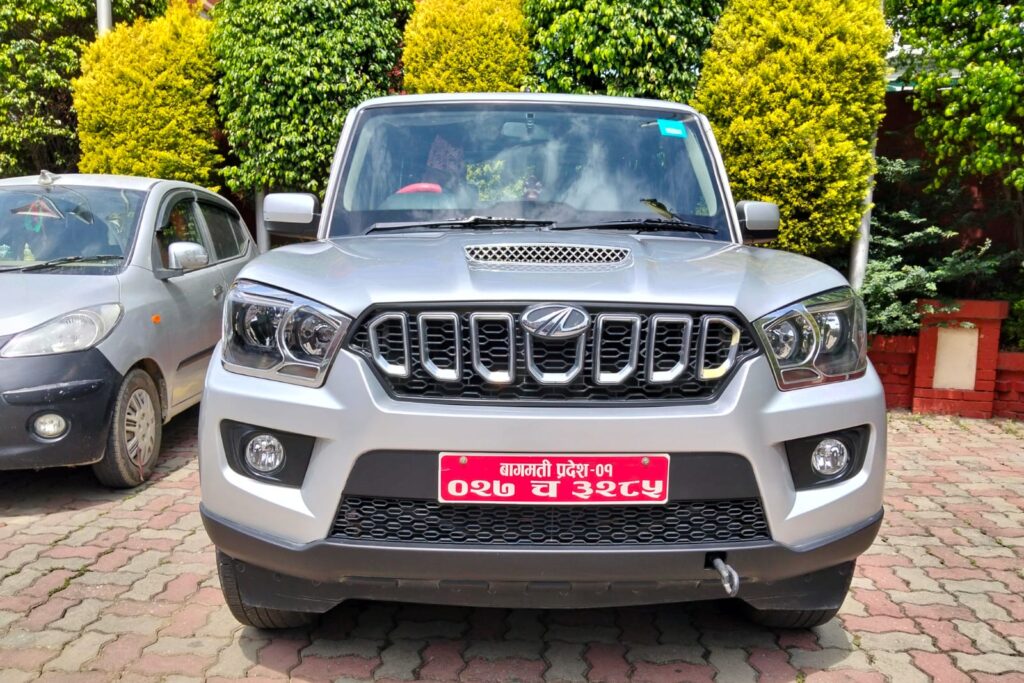
| SUV Jeep | 4–6 Persons | Families and small groups requiring extra space and higher ground clearance | $185 | Mahindra Scorpio, Hyundai Creta, Kia Seltos |
| Hiace Van | 7–13 Persons | Trekking groups, family tours, and travelers with extra luggage | $270 | Toyota Hiace, Nissan Caravan |
| Tourist Bus | 14–35 Persons | Large groups, corporate tours, and organized travel programs | $350 | Toyota Coaster, Tourist Bus |
Note: All rates are for a one-way private transfer between Kathmandu and Chitwan. Prices include fuel, driver salary and allowance, road taxes, parking fees, and highway toll charges. Advance booking is recommended during peak tourist seasons to ensure vehicle availability.
Vehicle and Insurance
Selecting the appropriate vehicle chassis and thoroughly understanding the accompanying, often highly complex insurance framework are absolute, non-negotiable prerequisites for safe overland travel in the Himalayas. Transport Hire Nepal maintains a highly diversified, rigorously inspected fleet specifically designed to match exact passenger counts, substantial luggage volumes, and desired physiological comfort metrics over long distances.
For solo travelers or couples with minimal gear, the private sedan remains the most highly agile, economical, and comfortable choice. Modern sedans offer superior fuel efficiency and comfortable, deeply climate-controlled cabins ideal for the newly paved segments of the Prithvi Highway. However, when navigating heavily rutted, unpaved bypasses or during the unpredictable, highly saturated monsoon season, the superior ground clearance and mechanical durability of an SUV or 4WD Jeep become highly advantageous, if not strictly necessary. Heavy-duty vehicles such as the ubiquitous Mahindra Scorpio or the luxury Toyota Land Cruiser Prado are explicitly engineered with robust, truck-like ladder-frame chassis and highly advanced, long-travel suspension systems. These specialized vehicles easily absorb the severe kinetic impacts of unpaved, potholed surfaces, ensuring a remarkably smooth ride for groups of four to five passengers carrying significant expedition gear. For much larger family units, corporate groups, or mid-sized trekking teams, the Toyota Hiace van serves as the undisputed industry standard. Comfortably accommodating 10 to 13 passengers, the Hiace perfectly combines a highly spacious interior volume with a relatively compact exterior footprint, uniquely allowing it to safely navigate the extremely narrow, blind mountain switchbacks that larger traditional buses physically cannot negotiate.
The legal and insurance framework governing these specific vehicles is highly specific to the Nepalese jurisdiction and requires careful traveler attention. Under current Nepalese transportation law, all “Green Plate” tourist vehicles deployed by reputable agencies are legally mandated to carry commercial insurance that specifically covers the vehicle itself against collision damage and provides standard, baseline third-party liability for road incidents. However, a highly critical distinction must be drawn between commercial vehicle insurance and personal passenger travel insurance. The local Collision Damage Waiver (CDW) and regional liability policies fundamentally protect the rental company’s physical asset and the driver’s legal liability, but they offer severely limited financial caps regarding comprehensive personal medical coverage for the vehicle’s occupants.
Standard local vehicle policies in Nepal absolutely do not cover high-cost helicopter medical evacuations, comprehensive long-term personal accident treatments, specialized repatriation, or extreme trip interruption costs. Standard CDW coverage in the region also frequently contains distinct exclusions for damages highly common on Himalayan roads, such as blown tires, bent rims from deep potholes, cracked windshields from passing freight trucks, and severe undercarriage damage from unpaved riverbeds. Therefore, it remains a strict operational recommendation—and frequently a formal national entry requirement—that all travelers secure highly robust, independent, comprehensive travel insurance prior to entering the country. This critical secondary insurance must explicitly and clearly cover high-altitude emergency medical treatment, international repatriation, and potential logistical delays caused by sudden landslides or prolonged road closures, ensuring absolute financial protection against the inherent environmental unpredictability of Himalayan transit.
Trip Maps
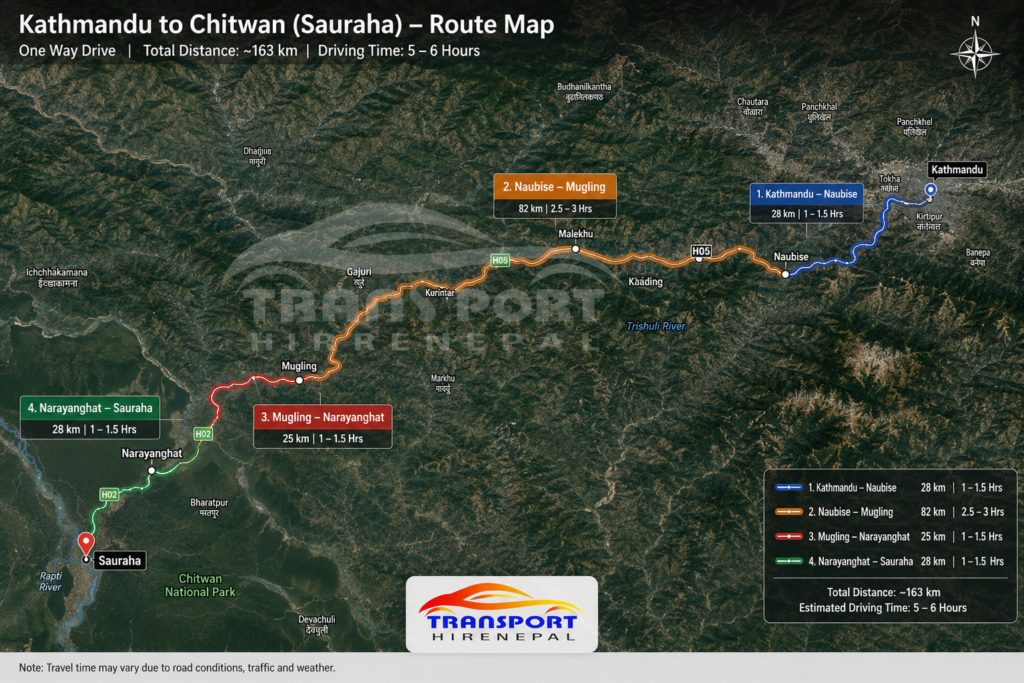
Developing a clear spatial understanding of the route’s geography is essential to clarifying why a seemingly short linear journey requires five to six hours of driving. The primary navigational corridor heavily utilizes NH04 (the Prithvi Highway), seamlessly merging into the highly vital Narayanghat-Mugling road artery. The trip is effectively segmented into four distinct geographic and infrastructural zones:
- Kathmandu to Naubise (28 km): This initial, highly challenging segment involves navigating the steep, heavily trafficked rim of the Kathmandu Valley via the Tribhuvan Highway intersection at Naubise. It is characterized by slow-moving, heavy industrial freight traffic negotiating extreme uphill and downhill gradients, requiring intense driver concentration and patience.
- Naubise to Mugling (82 km): Serving as the longest continuous stretch of the journey, this section closely tracks the raging Trishuli River. It is characterized by immense geological variation as it passes through the vast Dhading district. Travelers will pass directly through bustling, culturally significant highway settlements like Malekhu and Kurintar, constantly navigating endless, sweeping river bends and towering, steep gorge walls.
- Mugling to Narayanghat (25 km): This is universally recognized as the most geologically sensitive and infrastructure-critical corridor in the nation. This steep, incredibly narrow section violently cuts through highly fragile rock formations and serves as the absolute primary chokepoint for national commercial freight moving from India to Kathmandu. It is frequently subject to massive stabilization engineering and intense expansion works.
- Narayanghat to Sauraha/Chitwan (28 km): The moment the vehicle successfully breaches the final foothills and enters the Terai plains at Narayanghat (also known as Bharatpur), the road flattens entirely and the geography transforms. This final, highly efficient stretch is a smooth, high-speed, paved transition traversing through dense urban centers and vast agricultural flatlands directly to the national park’s immediate periphery.
Best Time
The highly dynamic meteorological behavior of the Terai plains strictly dictates the optimal operational windows for both comfortable vehicular transit and high-probability wildlife observation. The Chitwan region operates on a distinct, highly pronounced three-season climatic rhythm, each presenting unique logistical realities.
Winter (October to March): This extended window is universally and conclusively considered the absolute premium period for overland highway travel and subsequent park visitation. The post-monsoon atmosphere provides crystalline, long-range visibility, with highly pleasant daytime temperatures hovering comfortably between a mild 15°C and 25°C (59°F to 77°F). The intense atmospheric humidity drops significantly, rendering strenuous jungle nature walks and unshaded village tours highly pleasant. More critically for transit, the national highways are entirely dry, ensuring swift, safe, and highly predictable transit times along the Prithvi Highway corridors.
Spring (April to May): For dedicated, serious wildlife enthusiasts and professional photographers, the intense spring season offers the highest statistical probability of encountering elusive apex predators. During this specific period, local indigenous communities legally harvest the towering elephant grass, drastically opening up sightlines deep into the jungle. Furthermore, the rapidly rising heat forces isolated tigers and rhinos to congregate visibly around shrinking, highly localized waterholes. However, travelers must be physically prepared for intense climatic conditions; ambient temperatures frequently surge into the upper 30s or even mid-40s Celsius, accompanied by rapidly rising pre-monsoon humidity levels, making the air-conditioned refuge of a private vehicle absolutely essential.
Monsoon (June to September): The aggressive summer monsoon introduces severe, highly disruptive logistical and environmental challenges. The region receives an overwhelming 80 percent of its total annual rainfall during this narrow window. The torrential, daily downpours transform the landscape into a brilliantly lush, highly active green wetland, but they simultaneously render the vast majority of deep jungle tracks entirely impassable for safari jeeps. Even more critically for overland travel, the intense, continuous precipitation routinely triggers massive debris flows and highly dangerous landslides along the fragile Mugling-Narayanghat highway corridor, frequently leading to highly unpredictable, multi-day road closures and severe delays. While highly adventurous budget travelers and specialized botanists may find distinct value in this dramatically active season, standard tourist and family travel is generally heavily discouraged due to infrastructural instability.
FAQs
1. How long does the exact drive from Kathmandu to Chitwan National Park actually take?
Under standard, normal traffic flows and entirely dry weather conditions, a well-maintained private car or SUV covers the 150-175 kilometer variable distance in approximately five to six hours. However, professional travel planning dictates that travelers should intelligently budget for seven full hours to account for highly scenic stops, ongoing highway construction delays near Mugling, and standard, necessary rest and meal breaks.
2. Is it genuinely safer to travel by private car rather than a public tourist bus?
Private vehicles inherently and conclusively offer vastly superior safety and passenger comfort metrics. They provide functional seatbelts for all passengers, are not rigidly bound to crowded, hurried transit schedules, and their smaller chassis can easily and safely maneuver through the tight, highly congested traffic conditions that massive, rigid buses struggle with on mountain switchbacks. Furthermore, private drivers can dynamically adjust their speeds based on the explicit comfort levels of their specific passengers.
3. What happens if there is a severe landslide blocking the Mugling-Narayanghat road?
Landslides remain a highly known, heavily monitored variable, particularly in the monsoon season. In the event of a severe highway blockage, local heavy machinery is rapidly deployed by the regional Department of Roads to aggressively clear the debris. Private drivers are highly networked via local communications and receive real-time updates regarding road status. If a severe, multi-hour blockage occurs, the driver will safely hold the vehicle at a designated, secure resting center or intelligently reroute if a viable, safe alternative exists.
4. Does the quoted vehicle rental price explicitly include the driver’s food and overnight accommodation?
When securing a booking with a highly reputable agency such as Transport Hire Nepal, the formally quoted price is strictly and entirely all-inclusive. It explicitly and contractually covers the “Driver Bhatta”—the mandatory financial allowance for the driver’s daily meals and overnight lodging. This policy completely eliminates any hidden, unexpected cash demands during the execution of the trip, ensuring absolute financial transparency.
5. Which specific vehicle class is optimal for a family of five traveling with heavy expedition luggage?
A premium private 4WD SUV, such as a Mahindra Scorpio or a Toyota Land Cruiser Prado, represents the absolute optimal choice for this specific cohort. These specialized vehicles provide sufficient, highly comfortable cabin volume for five adult passengers, possess dedicated, enclosed cargo space in the rear for heavy luggage, and feature robust, long-travel suspension systems that ensure a remarkably smooth, fatigue-free ride over severe highway imperfections.
6. Do standard, legally compliant Nepal car rentals allow for foreign self-driving?
No. Navigating the extreme topography, highly unique regional traffic behaviors, and complex, strict regulatory environment of the Nepalese highway system requires highly specialized, localized knowledge and experience. Therefore, reputable agencies strictly provide vehicles exclusively accompanied by professional, fully licensed local drivers. Self-driving tourist rentals are simply not standard or recommended practice in Nepal, and Transport Hire Nepal strictly prohibits it.
7. Can the private vehicle stop for sightseeing or meals at random intervals along the highway?
Yes. Complete, uncompromising logistical flexibility remains the absolute primary advantage of securing a private hire. Passengers possess the total authority to instruct the driver to safely stop at designated scenic viewpoints, highly regarded riverside fish restaurants in Malekhu, or even pause for a prolonged ride on the Manakamana cable car in Kurintar, provided the deviation aligns with the overall daily logistical schedule and is communicated.
8. Are all the deployed tourist vehicles equipped with functional air-conditioning?
Yes. All highly regulated vehicles actively deployed for premium tourist transport, including sedans, robust SUVs, and large Hiace vans, are strictly equipped with fully functioning, highly maintained, climate-controlled air conditioning systems. This mechanical feature is particularly crucial, and continuously utilized, when descending rapidly from the cool high altitude into the intense heat and extreme humidity of the Terai plains.
9. Does the domestic rental insurance policy cover personal passenger medical emergencies?
No. The commercial insurance legally mandated by the government for “Green Plate” tourist vehicles only covers direct collision damage to the vehicle itself and provides highly basic third-party liability. It absolutely does not cover expensive personal medical treatments, prolonged hospitalization, or emergency helicopter evacuation. Travelers must possess independent, comprehensive travel medical insurance prior to their arrival.
10. How far in advance should a premium vehicle be booked for this specific route?
During the highly concentrated peak tourist seasons (specifically spanning October to November, and March to April), it is highly advisable to securely book vehicles at least several weeks in advance. This vital operational foresight ensures the guaranteed availability of specific, highly sought-after vehicle classes, such as premium luxury SUVs or large-capacity Hiace vans, which experience extreme, localized high demand from massive inbound trekking and safari groups during these windows.
Recap
The overland transit corridor stretching from the urban density of Kathmandu to the pristine biosphere of Chitwan National Park represents a fundamental, highly transformative component of the holistic Nepalese travel experience, offering a dramatic, visually stunning transition from the high Himalayan foothills to the intensely biodiverse, flat Terai plains. Strategically securing a premium private vehicle—whether an agile sedan for highly intimate travel, a robust 4WD SUV for rugged, high-clearance comfort, or a spacious Hiace van for complex group logistics—ensures that this highly demanding 150-kilometer journey is executed with absolute maximum safety, total operational flexibility, and premium comfort. By definitively bypassing the rigid, exhausting constraints of crowded public transport networks, travelers instantly gain the logistical sovereignty to deeply engage with the Prithvi Highway’s numerous scenic, cultural, and gastronomic highlights at their own highly personalized pace.
However, safely navigating the extreme topographical and logistical realities of the Nepalese highway system requires explicitly partnering with a highly established, strictly transparent, and legally compliant entity. Transport Hire Nepal provides a critical, indispensable layer of operational reliability by meticulously maintaining a rigorously inspected fleet, exclusively deploying highly trained, fully licensed local drivers, and operating under a strict, unyielding all-inclusive pricing model that completely and permanently eliminates hidden, predatory fees such as the driver’s Bhatta. When properly, strategically timed to coincide with the dry, highly visible winter months or the vibrant, wildlife-rich spring seasons, and when fully backed by robust, comprehensive independent travel insurance, the private drive to Chitwan officially ceases to be a mere logistical hurdle. Instead, it transforms into a seamlessly integrated, highly secure, and visually spectacular introduction to one of the most vital, historically rich, and vibrant wildlife sanctuaries remaining in the Asian continent.