Rasuwa Bhotekoshi Flood 2026: What Happened and What Travelers Need to Know
A sudden and powerful flood in the Bhotekoshi River has brought northern Rasuwa into the national spotlight and raised important questions for people planning to travel through the region.
The flood struck the Rasuwa–Tibet border area on August 26, causing serious damage around Timure, Rasuwagadhi and Syabrubesi and disrupting an important road corridor between Nepal and China.
For travellers, however, the biggest questions are different:
Where did the flood come from? Is the road to Rasuwagadhi still accessible? What is happening in Syabrubesi? Can tourists still travel to Langtang? And does this disaster affect travel to other parts of Nepal?
This guide looks at the situation from a traveller’s perspective rather than simply repeating the news.
Where Did the Rasuwa Bhotekoshi Flood Come From?
The Bhotekoshi flood does not appear to have been caused by heavy rainfall in Rasuwa itself. Scientists have suggested that an avalanche on the Tibetan side may have blocked an upstream river, causing water to build up before the blockage suddenly broke and sent a powerful surge downstream into Nepal.
The exact cause is still being investigated, but the flood appears to have originated upstream in Tibet rather than from heavy rain in Rasuwa.
What Happened in Rasuwagadhi This Morning?
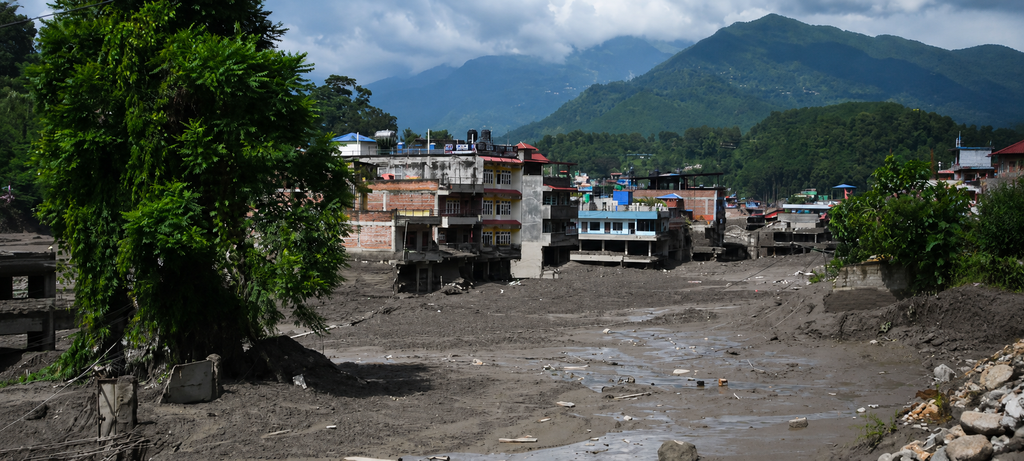
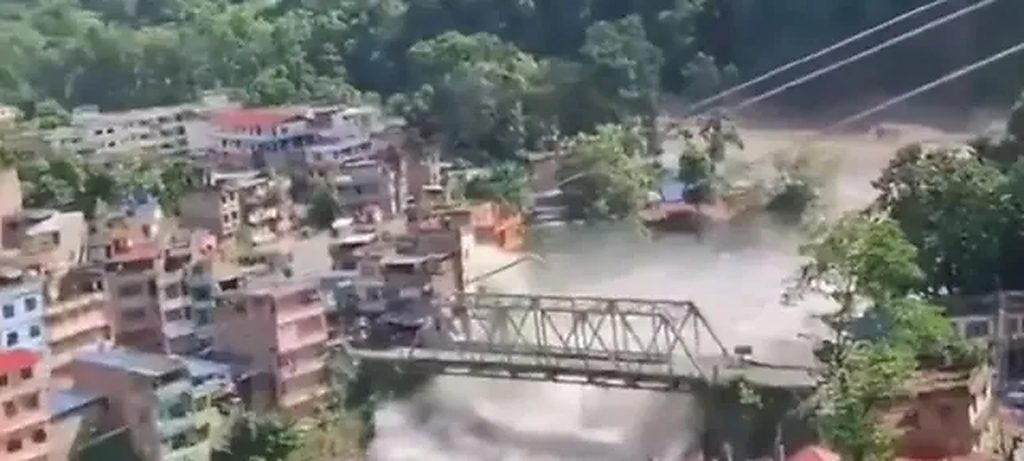
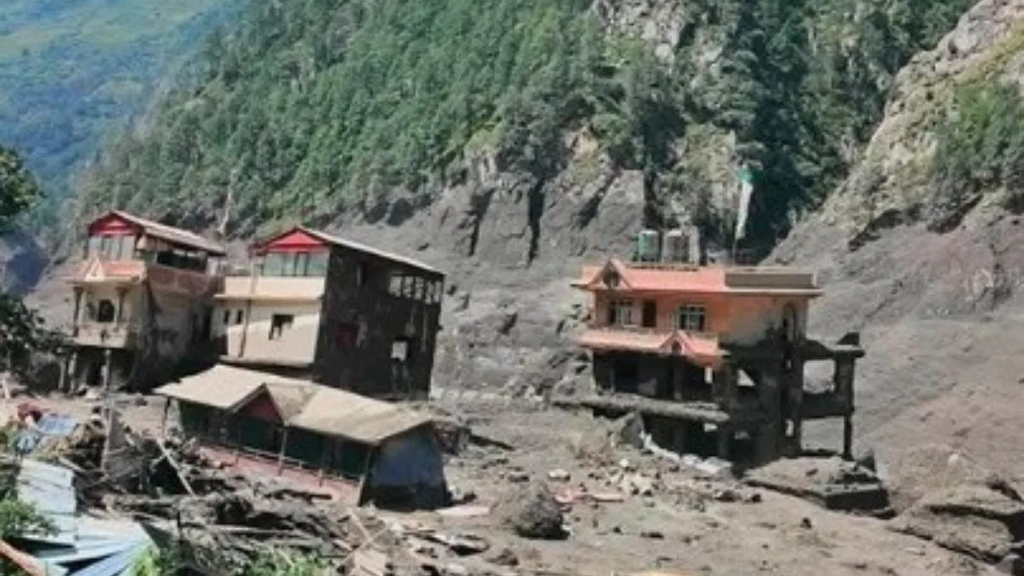
The flood hit the Rasuwagadhi–Timure area with devastating force, causing widespread destruction across the border corridor. Roads, bridges, vehicles, buildings, local settlements, businesses and other infrastructure were severely damaged, with some areas reportedly swept away by the powerful floodwater.
Riverside villages and communities were also badly affected, while security personnel in the area were reported missing. The destruction has significantly disrupted road access to the Nepal–China border and made rescue operations extremely challenging.
Search-and-rescue teams are continuing their efforts, while authorities assess the full extent of the damage and loss.
What Happened in Syabrubesi?
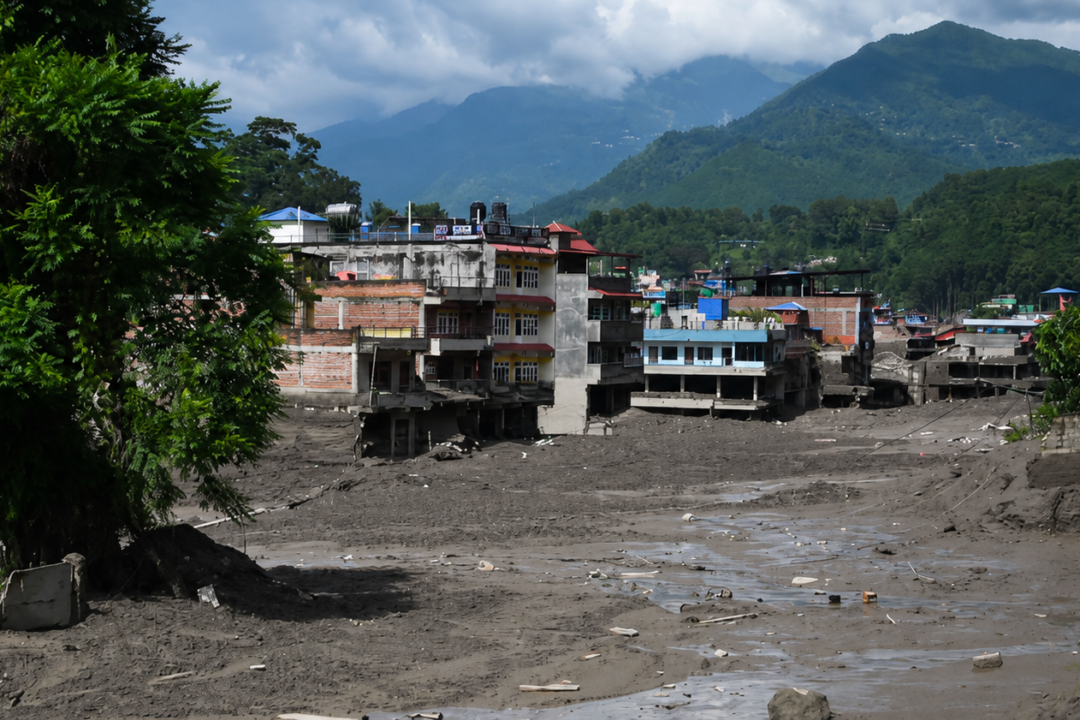
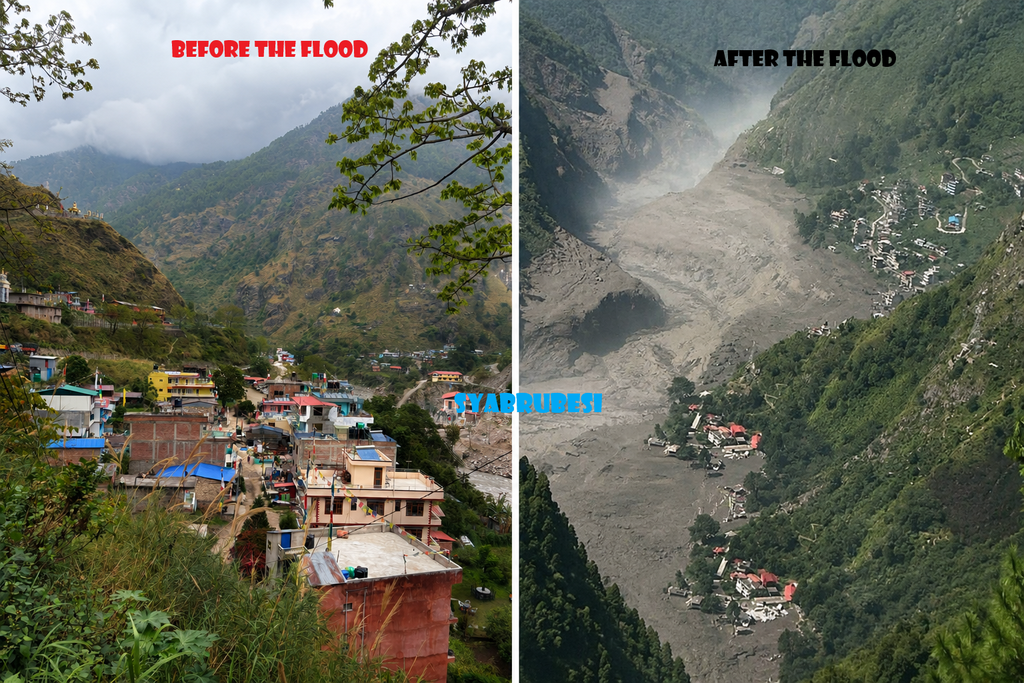
Syabrubesi, one of the main gateways to the Langtang region, was also severely affected by the flood. The main bazaar area and sections of the road were heavily damaged, with floodwater sweeping through parts of the settlement and destroying local infrastructure.
This has created a major challenge for travellers because Syabrubesi is the usual roadhead for the Langtang Valley Trek and other trekking routes in Rasuwa.
The immediate concern is therefore not only the condition of the trekking trails, but whether vehicles can safely reach Syabrubesi at all. Until road access and local conditions are confirmed safe, travellers should avoid assuming that the normal Kathmandu–Syabrubesi route is operating.
What Happened in Nuwakot, Trishuli Bazaar and Betrawati?
The flood continued downstream and caused severe destruction in parts of Nuwakot, including Trishuli Bazaar and Betrawati. Roads, houses, shops and other infrastructure in several areas were heavily damaged, with some structures collapsing or being swept away by the powerful floodwater.
The damage has seriously disrupted local transportation and affected daily life in nearby communities. Vehicles and property were also damaged or lost, while rescue and assessment efforts continue across the affected areas. The full extent of the damage and losses is still being assessed.
How Far Downstream Did the Flood Affect?
The impact of the flood was felt well beyond Rasuwa and Nuwakot, as the water continued downstream along the Trishuli River. Several riverside settlements and road sections were affected as the flood moved towards lower areas.
Some sections of the Prithvi Highway were also temporarily affected by rising water and flooding, particularly where the highway runs close to the Trishuli River. This caused temporary disruption to vehicles travelling along one of Nepal’s major highway routes.
However, the impact on the Prithvi Highway is expected to be temporary, with road movement likely to resume within a few hours as water levels decrease and the affected sections are cleared and confirmed safe.
Travellers using the Prithvi Highway should still check the latest road condition before starting their journey, as local conditions can change quickly after flooding. Read the news for more details
What Is the Current Situation in Rasuwa?
The situation remains dynamic.
Rescue operations, damage assessment and road-clearing activities are continuing, while authorities are working to determine the full extent of the destruction.
Road access in the affected sections cannot currently be treated as normal.
Travellers should therefore avoid relying on standard journey times or older information about the Kathmandu–Rasuwa route.
A road that is open in one section may still be blocked further ahead by damaged bridges, debris, landslides or unsafe road surfaces.
For anyone planning to travel into northern Rasuwa in the immediate aftermath of the flood, the latest local road information should be obtained before departure.
What Are Authorities Doing for Rescue and Relief?
Nepal’s security agencies and emergency authorities have been mobilised for search, rescue and relief operations.
The Nepali Army, Armed Police Force and Nepal Police have been involved in the response, while helicopters have been used for search and rescue where road access is difficult.
Emergency medical support and other relief resources are also being coordinated.
Because parts of the affected region are mountainous and road access has been disrupted, rescue operations can be particularly challenging.
The priority at this stage is saving lives, locating missing people, supporting affected communities and assessing damaged infrastructure.
Tourist travel should come after these immediate emergency needs.
Can You Still Travel to China Through Rasuwagadhi?
For travellers planning to cross into China through Rasuwagadhi, the situation is more complicated than simply asking whether the border is open.
The flood has severely affected the road and infrastructure leading towards the border, particularly around the Timure–Rasuwagadhi section. Therefore, even if border formalities are operating, reaching the border safely by road may still be difficult.
If you have a planned Tibet, China or Kailash Mansarovar journey, confirm both road access and current border operations before leaving Kathmandu. Do not rely on the normal travel schedule until the damaged road sections are officially confirmed safe.
What Does the Rasuwa Flood Mean for Langtang Trekkers?
For Langtang travellers, the biggest problem is currently getting to the starting point of the trek.
Syabrubesi is the main gateway to Langtang Valley, but the flood has caused extensive damage to the town, main bazaar and surrounding road infrastructure. Normal vehicle access from Kathmandu is therefore seriously disrupted.
This does not necessarily mean that the entire Langtang trekking trail has been washed away. The condition of the trail, villages and accommodation beyond Syabrubesi needs to be assessed separately.
If you already have a Langtang booking, it is better to wait for a reliable road and trail update before travelling rather than attempting to reach Syabrubesi under uncertain conditions.
Does the Rasuwa Flood Affect Tourism in the Rest of Nepal?
Not in the same way. The impact is mainly concentrated in the Rasuwa–Bhotekoshi–Trishuli corridor.
Nepal’s major tourist destinations are spread across different regions, so a serious disaster in northern Rasuwa does not mean that tourism throughout the country has stopped.
Travellers can still visit destinations such as Kathmandu, Pokhara, Chitwan, Lumbini, Bandipur and Tansen, subject to normal monsoon-related road and weather conditions.
The Annapurna and Everest regions can also continue to receive travellers where their individual access routes and weather conditions are suitable.
The important thing is to check the condition of the specific destination and road you plan to use, rather than considering the entire country affected by one regional disaster.
What Should Travelers Do Before Going to Rasuwa?
If your trip is scheduled for the coming days, follow these practical steps:
1. Check the road immediately before departure
Do not depend on information published several days earlier.
2. Ask about the exact destination
Road access to Dhunche, Syabrubesi, Timure and Rasuwagadhi may not be the same.
3. Keep your itinerary flexible
Allow additional time in case of road restrictions or delays.
4. Avoid unnecessary travel into disaster zones
Emergency teams need access to affected communities.
5. Follow local authority instructions
Do not attempt to cross a road closure or damaged bridge.
6. Use experienced local transportation
A local driver can often obtain practical road information from people and authorities along the route.
Transport Hire Nepal’s Recommendation
At Transport Hire Nepal, we believe transportation in Nepal should always be planned around current road conditions rather than fixed assumptions.
This is particularly important for mountain destinations such as Rasuwa, where floods and landslides can change road conditions within a short period.
If you are planning to travel towards Syabrubesi, Langtang, Timure or Rasuwagadhi, confirm the latest road situation before starting your journey.
When conditions are safe, local transportation can help travellers reach the region conveniently. When conditions are unsafe, delaying the journey is the better decision. The destination will still be there. Your safety comes first.
Frequently Asked Questions
Where did the Bhotekoshi flood come from?
The flood entered Nepal from the Tibetan side of the border through the Bhotekoshi river system. Preliminary assessments have suggested a sudden upstream ice-and-rock-related event, although the exact cause remains under investigation.
What happened in Rasuwagadhi?
A powerful flood affected the Rasuwagadhi–Timure border corridor, damaging infrastructure and disrupting road access. Search-and-rescue operations were launched following reports of missing personnel and people affected by the disaster.
Is Rasuwagadhi China border open?
Travellers should confirm the latest border operating status and road accessibility before travelling. The flood has disrupted the road corridor leading towards Rasuwagadhi, so normal travel should not be assumed.
Is Kathmandu to Rasuwagadhi road open?
The Kathmandu–Rasuwagadhi corridor has been affected by flood and infrastructure damage. Travellers should obtain a current road update before departure because accessibility can change as emergency road-clearing work progresses.
Is Kathmandu to Syabrubesi road open?
The route has been affected by the disaster, particularly around the Rasuwa section. Travellers planning Langtang should confirm current road access before travelling to Syabrubesi.
Can I do Langtang Trek after the Rasuwa flood?
The trek should only be planned after confirming that the road to Syabrubesi and the trekking route are safe and accessible. The flood does not automatically mean that the entire Langtang trekking region is permanently closed.
Is Gosaikunda Trek affected by the flood?
Potentially, particularly depending on the access route. Travellers should check current road and trail conditions before starting the trek.
Does the Rasuwa flood affect tourism in Pokhara or Chitwan?
The Rasuwa flood is a regional disaster and does not automatically make Pokhara, Chitwan or other parts of Nepal inaccessible. Travellers should check conditions for their specific destination.
Should tourists avoid Nepal because of the Rasuwa flood?
No. Travellers should distinguish between the affected Rasuwa corridor and the rest of Nepal. However, anyone planning to visit Rasuwa or use the Rasuwagadhi corridor should take the latest local safety information seriously.
Is it safe to travel to Rasuwa now?
For non-essential tourism immediately after the disaster, postponing travel until road and infrastructure conditions are confirmed is advisable. Conditions are changing as rescue and recovery work continues.
Final Takeaway for Travelers
The Bhotekoshi flood is a serious disaster, but it should not be viewed as a disaster affecting the whole of Nepal’s tourism industry.
The immediate travel concerns are concentrated around the Rasuwa–Bhotekoshi–Syabrubesi–Rasuwagadhi corridor.
If you are travelling to Langtang, Gosaikunda, Syabrubesi, Rasuwagadhi or the Nepal–China border, check the latest road and safety information before departure.
For other destinations in Nepal, travel may continue normally, subject to local monsoon conditions.
The situation in Rasuwa is still developing. As roads are cleared and infrastructure is assessed, access to the affected region may gradually improve.
For now, the best travel decision is simple: stay informed, remain flexible, and put safety before schedule. For more Travel updates, Click Here