Kathmandu, Pokhara, Ghandruk & Muktinath Tour: Complete Nepal Journey
The Kathmandu to Muktinath Tour via Pokhara & Ghandruk is a well-balanced Nepal journey for travellers who want culture, mountain scenery, village life and pilgrimage in one private tour. Instead of moving quickly between major cities, this route gradually leads from the heritage sites of Kathmandu into the green hills of Pokhara, the traditional Gurung village of Ghandruk and the dramatic landscapes of Lower Mustang.
The journey combines several of Nepal’s strongest experiences in one itinerary. In Kathmandu, you can explore important religious and cultural landmarks before travelling west to Pokhara, where Phewa Lake, mountain viewpoints and a relaxed lakeside atmosphere create a completely different setting. From Pokhara, the route continues toward Ghandruk, a beautiful hill village known for its traditional houses, local culture and views of the Annapurna and Machhapuchhre ranges.
The tour then heads north through the Kali Gandaki Valley toward Jomsom and Muktinath Temple, one of Nepal’s most important pilgrimage destinations. Reaching approximately 3,710 metres, Muktinath becomes the spiritual and scenic highlight of the journey, surrounded by the dry Himalayan landscapes of Mustang.
This private Nepal tour package is ideal for travellers looking for a Kathmandu Pokhara Ghandruk and Muktinath tour, a scenic Muktinath road trip from Kathmandu, or a cultural and pilgrimage journey that includes Himalayan villages without requiring a long trek. It offers a rewarding mix of sightseeing, road adventure, mountain views, local culture and comfortable private travel.
Glance at Kathmandu to Muktinath Tour via Pokhara & Ghandruk
| Trip Details | Information |
| Duration | 9 Days / 8 Nights |
| Tour Type | Private Cultural, Scenic & Pilgrimage Tour |
| Starting Point | Kathmandu |
| Ending Point | Kathmandu |
| Highest Point | Muktinath – Approx. 3,710 m |
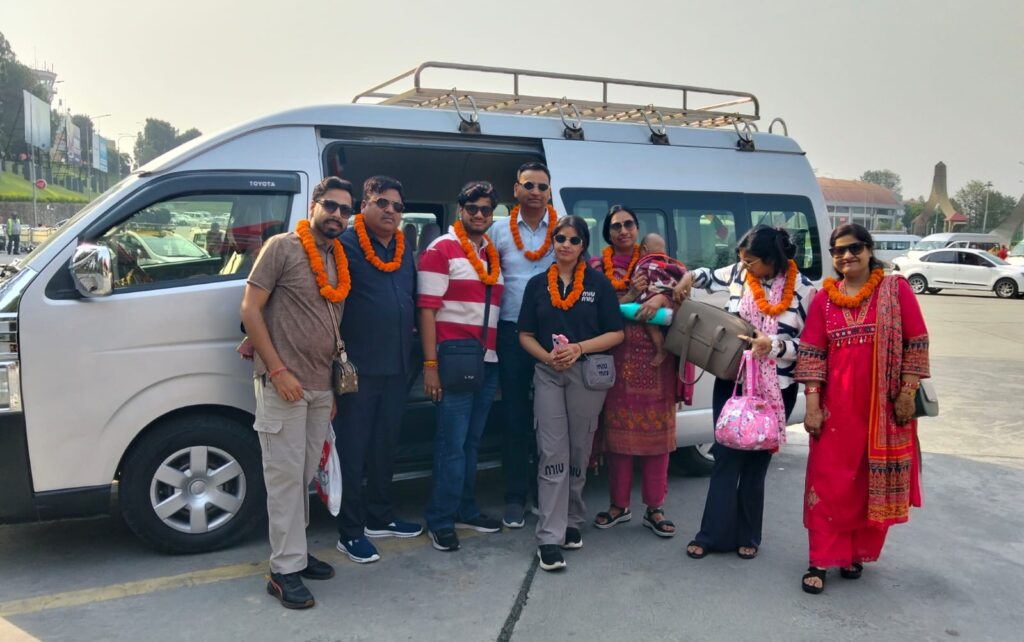
| Transportation | Private vehicle / suitable mountain vehicle |
| Major Destinations | Kathmandu, Bandipur, Jomsom, Muktinath, Tatopani, Ghandruk & Pokhara |
| Accommodation | Hotels and mountain lodges |
| Suitable For | Couples, families, private groups & pilgrimage travellers |
Tour Highlights
- Explore sacred Pashupatinath Temple and enjoy the scenic cable-car journey to Chandragiri Hills.
- Stay overnight in Bandipur, a charming hill town known for traditional Newari architecture and mountain views.
- Experience an adventurous overland journey through the spectacular Kali Gandaki Valley.
- Discover Jomsom and Lower Mustang, surrounded by dramatic dry landscapes and Himalayan scenery.
- Visit sacred Muktinath Temple (3,710 m), an important pilgrimage destination for both Hindus and Buddhists.
- Relax at the natural hot springs of Tatopani after the mountain journey.
- Enjoy two nights in Pokhara, including Phewa Lake, Sarangkot, World Peace Pagoda, Pumdikot and other major attractions.
Major Attractions of the Tour
Pashupatinath Temple
Pashupatinath is a meaningful place to begin a journey that eventually leads to Muktinath. Set beside the Bagmati River in Kathmandu, the temple complex is one of Nepal’s most important Hindu pilgrimage centres. Beyond the main temple, the surrounding area is filled with smaller shrines, religious monuments and traditional rituals. The atmosphere gives visitors an early introduction to Nepal’s spiritual culture before travelling toward the Himalayas.
Bandipur
Bandipur brings a completely different character to the tour. This old hill town is known for its traditional Newari houses, stone-paved streets and peaceful bazaar. Instead of rushing directly from Kathmandu to Pokhara, an overnight stay here allows you to slow down, walk through the old town and experience a quieter side of Nepal. Clear weather can also bring beautiful views of the surrounding hills and distant mountains.
Kali Gandaki Valley
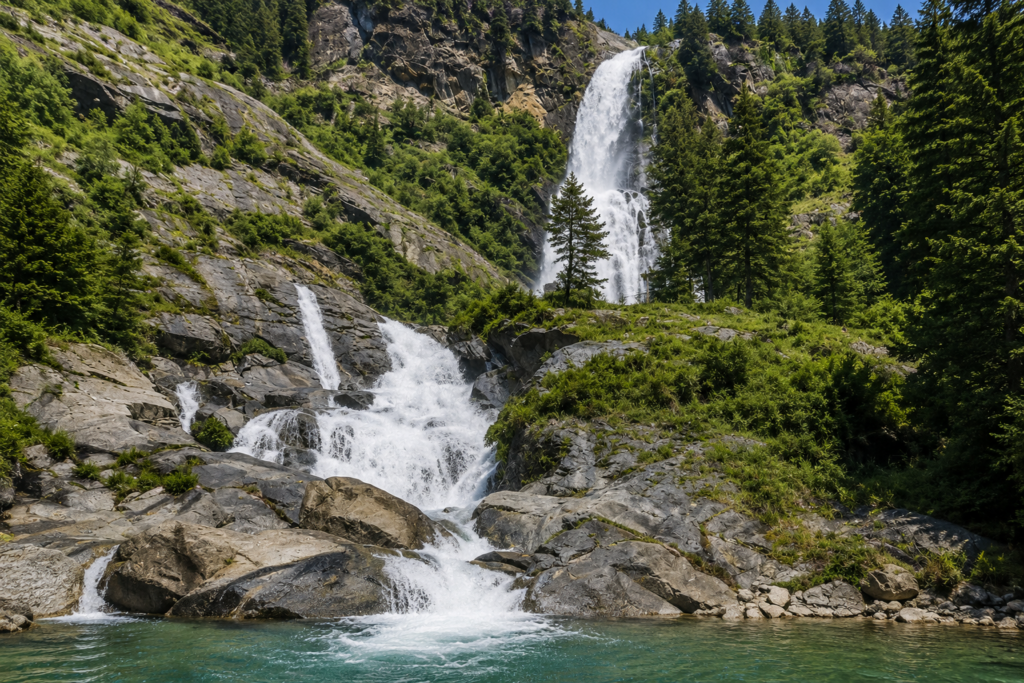
The road through the Kali Gandaki Valley is one of the most memorable parts of the journey. Beyond Beni, the scenery becomes increasingly dramatic as the road follows the river between steep hills and mountain slopes. Waterfalls, rocky cliffs, small villages and changing vegetation appear along the way. The gradual transition from green countryside to the drier landscape of Mustang makes the drive much more than simply a transfer between destinations.
Jomsom
Jomsom sits in the broad Kali Gandaki Valley and serves as an important gateway to Lower Mustang and Muktinath. By the time you arrive, the landscape has changed considerably from the green hills around Kathmandu and Pokhara. Dry slopes, strong mountain winds and wide open valleys give Jomsom its distinctive character. Staying overnight here also breaks up the long mountain journey before travelling higher to Muktinath the following morning.
Muktinath Temple
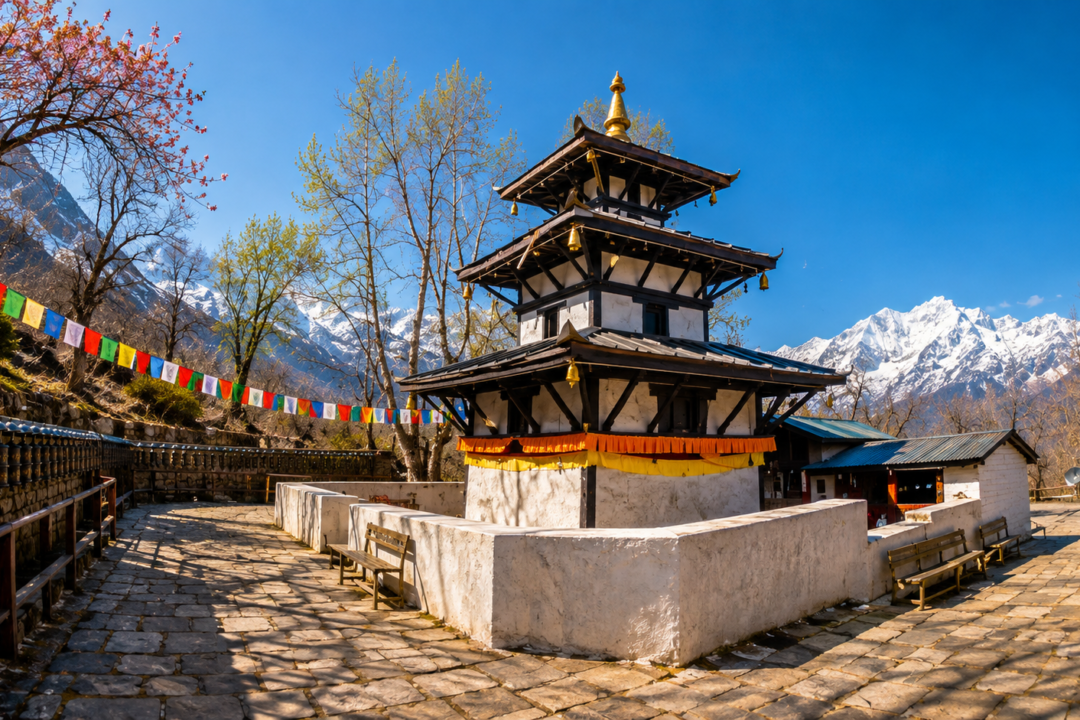
Muktinath is the main highlight of the tour and the highest point of the journey. Located at approximately 3,710 metres, the temple is sacred to both Hindus and Buddhists. Pilgrims come to worship, visit the shrines and pass beneath the famous 108 water spouts. Even for travellers visiting primarily for the scenery, the combination of religion, mountain landscapes and the remote Himalayan setting makes Muktinath an unforgettable destination.
Tatopani
After the dry and rugged landscapes around Jomsom and Muktinath, Tatopani provides a welcome change. The village sits much lower in the Kali Gandaki Valley and is surrounded by greener scenery. It is particularly known for its natural hot springs, where travellers can relax after the long mountain-road journey. Staying overnight also helps break up the return trip instead of travelling all the way from Muktinath to Pokhara in one day.
Pokhara & Phewa Lake
Pokhara provides a comfortable and relaxing finish to the mountain section of the tour. Two nights give you enough time to recover from the road journey and explore the city’s major attractions. Depending on the weather and your interests, you can visit Sarangkot, enjoy boating on Phewa Lake and explore Davis Falls, Gupteshwor Cave, World Peace Pagoda, Pumdikot and the International Mountain Museum.
Outline Itinerary of Kathmandu to Muktinath Tour via Pokhara & Ghandruk
| Day | Destination & Activities | Overnight |
| Day 01 | Arrival in Kathmandu & private hotel transfer | Kathmandu |
| Day 02 | Pashupatinath Temple & Chandragiri Hills | Kathmandu |
| Day 03 | Drive from Kathmandu to Bandipur | Bandipur |
| Day 04 | Drive from Bandipur to Jomsom | Jomsom |
| Day 05 | Jomsom – Muktinath Temple – Tatopani | Tatopani |
| Day 06 | Drive from Tatopani to Pokhara | Pokhara |
| Day 07 | Full-Day Pokhara Sightseeing | Pokhara |
| Day 08 | Drive from Pokhara to Kathmandu | Kathmandu |
| Day 09 | Final Departure | — |
Detailed Itinerary of Kathmandu to Muktinath Tour via Pokhara & Ghandruk
Day 01: Arrival in Kathmandu
Welcome to Nepal. After completing immigration and collecting your luggage at Tribhuvan International Airport, meet our representative outside the arrival terminal. Your private vehicle will be waiting to transfer you directly to your hotel in Kathmandu.
After check-in, the remainder of the day is intentionally kept easy. International flights can be tiring, so there is no need to begin sightseeing immediately. Take some time to rest and settle into your hotel.
If you arrive early and feel energetic, you can explore the neighbourhood independently. Travellers staying around Thamel may enjoy a short walk through its narrow streets, cafés, restaurants and shops. It is also a good opportunity to exchange money, pick up anything you may need for the road journey or simply enjoy your first evening in Nepal.
Accommodation: Hotel in Kathmandu
Activities: Airport pickup & private hotel transfer
Day 02: Pashupatinath Temple & Chandragiri Hills Tour
After breakfast, begin your first full day in Kathmandu with a visit to Pashupatinath Temple, one of Nepal’s most important Hindu religious sites.
Located beside the Bagmati River, the temple area is much more than a single shrine. Temples, smaller shrines, religious monuments and riverbank ghats spread across the complex, creating an atmosphere very different from the modern streets of Kathmandu. Spend time exploring the surroundings and observing the religious traditions that remain part of everyday life here.
Later, drive across Kathmandu Valley toward Chandragiri Hills. From the lower station, take the cable car up the hillside. The journey itself provides an enjoyable change of perspective as the city gradually disappears below.
At the top, enjoy time around the hill station and viewpoint. When the weather is clear, the surrounding hills and distant Himalayan ranges form a beautiful backdrop. Return by cable car and drive back to your hotel in Kathmandu.
Accommodation: Hotel in Kathmandu
Activities: Pashupatinath Temple, Chandragiri Hills & cable-car ride
Day 03: Kathmandu to Bandipur
Driving Time: Approx. 5–6 hours
After breakfast, leave Kathmandu and begin the journey west toward Bandipur.
The drive follows the main highway out of Kathmandu Valley before joining the route alongside the Trishuli River. Rather than being simply a transfer day, the journey provides your first extended look at Nepal outside the capital. Terraced hillsides, roadside settlements, rivers and rural landscapes accompany much of the drive.
After leaving the main highway, the road climbs toward Bandipur, a beautifully situated hill town that once prospered as an important trading centre.
Check into your hotel and spend the afternoon exploring on foot. The centre of Bandipur is particularly enjoyable because its old houses, stone-paved streets and traditional Newari architecture have retained much of their character.
Walk through the bazaar, discover small temples and enjoy the relaxed atmosphere. On a clear afternoon, the surrounding hills and distant mountains provide a memorable setting for your first night outside Kathmandu. Accommodation: Hotel in Bandipur
Day 04: Bandipur to Jomsom
Driving Time: Approx. 8–10 hours, depending on road conditions
Today is one of the longest road journeys of the tour, but also one of the most rewarding.
Leave Bandipur early and travel toward Pokhara before continuing west to Beni. Beyond Beni, the character of the journey changes dramatically as the road begins following the Kali Gandaki Valley into the mountains.
The route passes steep hillsides, waterfalls, river crossings, rocky cliffs and small settlements squeezed between the mountains. As the vehicle gains elevation, the lush scenery of the lower valleys gradually changes into the drier and more rugged landscapes associated with Mustang.
The mountain road can be rough in places, so today’s itinerary allows plenty of time for the journey rather than trying to combine it with additional sightseeing.
By late afternoon or evening, arrive in Jomsom, an important settlement in the Kali Gandaki Valley and the gateway to Lower Mustang. Check into your hotel or lodge and rest after the day’s drive. Accommodation: Hotel/Lodge in Jomsom
Day 05: Jomsom – Muktinath Temple – Tatopani
After breakfast, leave Jomsom and drive north toward Muktinath.
This is one of the most memorable sections of the entire tour. The scenery around Lower Mustang is noticeably different from Kathmandu, Bandipur and Pokhara. Wide valleys, barren hillsides, traditional settlements and distant snow-covered mountains give the region a distinctive high-Himalayan character.
On reaching the Muktinath area, continue to the temple complex. At approximately 3,710 metres, this is the highest point of your journey.
Muktinath holds deep religious importance for both Hindu and Buddhist pilgrims. Take your time exploring the temple surroundings, shrines and the famous 108 water spouts. Even for visitors travelling primarily for scenery rather than pilgrimage, the combination of spiritual atmosphere and mountain setting makes Muktinath a special place.
After completing the visit, begin descending through Lower Mustang and return through the Jomsom area. Continue south along the Kali Gandaki corridor toward Tatopani.
After arrival, check into your lodge. Depending on time and local conditions, you can visit the natural hot springs and enjoy a relaxing soak after two days of mountain-road travel.
Accommodation: Hotel/Lodge in Tatopani
Activities: Muktinath Temple & Tatopani hot springs
Day 06: Tatopani to Pokhara
Driving Time: Approx. 4–6 hours, depending on road conditions
Enjoy breakfast in Tatopani before continuing south toward Pokhara.
The road once again follows the Kali Gandaki corridor, gradually leaving the steep mountain valleys behind as you travel toward Beni and the greener middle hills.
Today’s schedule is deliberately lighter than the previous two days. After reaching Pokhara, transfer to your hotel and check in.
The rest of the afternoon and evening are free. After the rugged mountain roads of Mustang, Pokhara feels noticeably more relaxed. Take a walk along Lakeside, find a café overlooking Phewa Lake, browse the local shops or simply enjoy some time at your hotel.
Having two nights here gives the journey a welcome change of pace and means you do not have to squeeze Pokhara’s major sights into your arrival afternoon. Accommodation: Hotel in Pokhara
Day 07: Full-Day Pokhara Sightseeing Tour
Today is devoted to exploring Pokhara and its surrounding viewpoints.
Sarangkot Sunrise
For those interested in sunrise views, start before dawn with a drive to Sarangkot. On a clear morning, the viewpoint provides a beautiful panorama across the Annapurna region, with Machhapuchhre and surrounding Himalayan peaks catching the early light.
After sunrise, return to your hotel for breakfast and a short rest.
Phewa Lake
Continue to Phewa Lake, the centrepiece of Pokhara’s Lakeside area. A boating trip offers a peaceful way to experience the lake and see the surrounding hills from the water.
Davis Falls
Next, visit Davis Falls, where water disappears into a narrow underground gorge. It is a short stop but remains one of Pokhara’s best-known natural attractions.
Gupteshwor Mahadev Cave
Located nearby, Gupteshwor Cave provides a completely different experience. Descend underground to explore the cave and its religious shrine.
World Peace Pagoda
Continue uphill to the World Peace Pagoda. Its elevated position provides wide views across Phewa Lake, Pokhara city and the surrounding hills.
Pumdikot
From the Peace Pagoda area, continue toward Pumdikot, known for its large Shiva statue and panoramic location above Pokhara Valley.
International Mountain Museum
If time permits, finish the sightseeing program at the International Mountain Museum, where exhibits introduce Nepal’s Himalayan geography, mountain communities and mountaineering heritage. Return to your hotel in the late afternoon. The evening is free to enjoy Lakeside at your own pace.
Accommodation: Hotel in Pokhara
Major Attractions: Sarangkot, Phewa Lake, Davis Falls, Gupteshwor Cave, World Peace Pagoda, Pumdikot & International Mountain Museum
Day 08: Pokhara to Kathmandu
Driving Time: Approx. 7–8 hours, depending on traffic and road conditions
After breakfast, check out from your Pokhara hotel and begin the return journey to Kathmandu.
The road follows river valleys and green hills through central Nepal, passing small towns, farming communities and roadside settlements along the way. Stops can be made for lunch, tea, coffee and short breaks. Arrive in Kathmandu later in the day and transfer directly to your hotel.
Your final evening is free. You may want to return to Thamel for souvenir shopping, enjoy a relaxed dinner or simply rest after completing the road journey through western Nepal.
For travellers who would rather avoid the long drive, an optional domestic flight from Pokhara to Kathmandu can be arranged instead. In that case, private transfers can be provided between your hotel and the airports at both ends.
Accommodation: Hotel in Kathmandu
Day 09: Final Departure
Your 9-day journey through Kathmandu, Bandipur, Mustang and Pokhara comes to an end today.
Enjoy breakfast at your hotel and some free time depending on your international flight schedule. At the arranged time, our driver will meet you at the hotel and provide a private transfer to Tribhuvan International Airport.
We normally recommend allowing sufficient time for international airport procedures, particularly during busy travel periods. After nine days of temples, hill towns, Himalayan roads, pilgrimage sites, mountain valleys and lakeside scenery, depart Nepal with a much broader picture of the country than a city-only tour could provide.
Service: Private hotel-to-airport transfer
Tour Ends
What Makes This Journey Different?
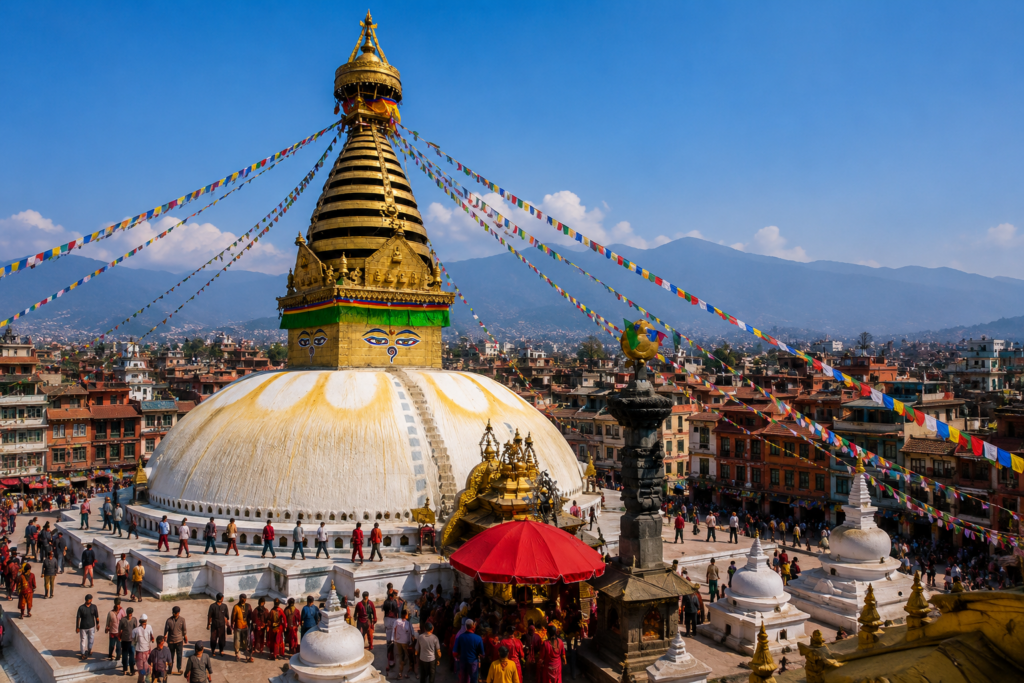
Many short Nepal tours concentrate almost entirely on Kathmandu and Pokhara. This itinerary goes considerably further.
Bandipur introduces you to a quieter side of Nepal’s middle hills before the journey continues into the Kali Gandaki Valley. Within a few days, the scenery changes from Kathmandu’s urban valley to traditional hill settlements, green river corridors and the dry mountain environment of Lower Mustang.
Muktinath adds an important spiritual element to the journey, while Tatopani breaks up the return route and provides time to unwind before reaching Pokhara.
The result is a tour that feels like a journey through Nepal rather than a collection of separate sightseeing stops.
Why Travel by Private Vehicle?
A private vehicle makes a noticeable difference on a route like this.
The Kathmandu–Bandipur–Pokhara section involves established highways, while the journey toward Jomsom and Muktinath enters much rougher mountain terrain. Using a vehicle suited to each section makes the journey more practical and comfortable.
Private travel also gives you flexibility. You can stop for photographs, tea, lunch or a short rest without following a fixed group schedule. This is particularly valuable on the Kali Gandaki route, where weather, traffic and road conditions can influence travel times.
It also provides convenient door-to-door service between hotels, something that becomes increasingly useful when travelling with luggage or as a family or private group.
The Journey into Lower Mustang
The road north from Beni is one of the defining experiences of this itinerary.
Rather than arriving in Mustang by air and immediately heading to Muktinath, travelling overland allows you to watch the landscape change gradually.
The green lower valleys become steeper and rockier. The Kali Gandaki remains a constant companion through much of the journey, while waterfalls, cliffs and small mountain settlements appear along the route.
By the time you reach Jomsom, the surroundings feel very different from the Nepal you experienced only a few days earlier.
That changing landscape is one reason it is worth treating the road journey as part of the experience rather than simply transportation between destinations.
Visiting Muktinath
For many travellers, Muktinath is the emotional centre of the tour.
Pilgrims come for religious reasons, while other visitors are drawn by the mountain setting and the opportunity to experience one of Nepal’s best-known high-altitude sacred sites.
Because Muktinath sits at approximately 3,710 metres, there is no reason to hurry after arrival. Walk slowly, drink enough water and allow yourself time to adjust to the elevation.
The itinerary returns to a considerably lower altitude at Tatopani the same day rather than spending another night high in Mustang.
Two Nights in Pokhara
Pokhara comes at exactly the right point in this journey.
After long driving days through the Kali Gandaki Valley and Mustang, arriving beside Phewa Lake provides a welcome change of rhythm. Instead of reaching Pokhara and immediately leaving the next morning, the itinerary includes two nights.
The first afternoon is largely free, giving you time to recover from the mountain journey. The following day can then be devoted to sightseeing without rushing.
This balance makes the overall itinerary more comfortable while still fitting Kathmandu, Bandipur, Jomsom, Muktinath, Tatopani and Pokhara into nine days.
Who Is This Tour Best For?
This itinerary is particularly suitable for travellers who want to experience the Himalayas without undertaking a multi-day trek.
It works well for couples, families, friends, private groups and pilgrimage travellers. It can also suit older travellers who are comfortable with long road journeys but prefer not to walk for several days at altitude.
The tour does include demanding driving days, especially between Bandipur and Jomsom. Travellers looking only for a relaxed luxury holiday may prefer a slower itinerary with additional nights.
For those who enjoy seeing the country change outside the vehicle window and want to combine famous destinations with less hurried overnight stops, the route is particularly rewarding.
Practical Travel Tips
Start early on mountain-road days. Leaving early provides more daylight and flexibility if road conditions slow the journey.
Pack a warm layer for Mustang. Jomsom and Muktinath can feel considerably colder and windier than Kathmandu and Pokhara.
Carry a small day bag. Keep water, sunglasses, sunscreen, medication, a warm jacket and personal essentials easily accessible rather than packed deep inside your luggage.
Take Muktinath slowly. The altitude is significantly higher than the other overnight destinations on this tour.
Keep the schedule flexible. Mountain weather, traffic, road construction and local conditions can occasionally change driving times.
Consider flying back from Pokhara. After several long road journeys, the optional Pokhara–Kathmandu flight can make the final part of the holiday more comfortable.
Below is a fresh version written specifically for your website, without outside sources, citations, or copied wording. It keeps the practical information but uses a more natural travel-company voice.
Kathmandu to Muktinath Road Conditions
Travelling from Kathmandu to Muktinath by road is an adventure in itself, and travellers should expect the road conditions to change considerably during the journey.
The first section from Kathmandu toward Bandipur and Pokhara follows Nepal’s main highways. Some stretches are paved and comfortable, while others may be affected by construction, traffic, potholes or seasonal maintenance. Driving times can therefore vary from one trip to another.
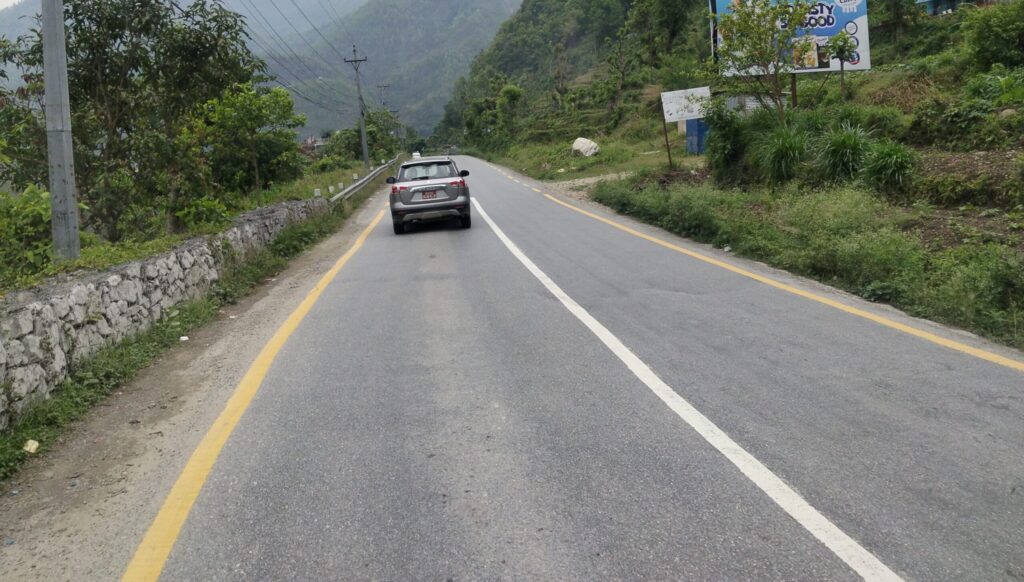
After Pokhara, the route continues toward Beni. From Beni toward Tatopani, Jomsom and Muktinath, the journey becomes much more mountainous. Expect a mixture of paved sections, gravel roads, rocky surfaces, narrow stretches and uneven terrain.
This is why we recommend a suitable SUV or 4WD vehicle for the Mustang section of the tour.
Road conditions can change after heavy rain, landslides or maintenance work, so flexibility is important. Rather than planning around an exact arrival time, it is better to treat the mountain drive as part of the experience and allow enough time for breaks and unexpected delays.
Food and Accommodation
One advantage of this tour is that accommodation is available at every overnight destination, although the standard changes as you move from the cities into the mountains.
In Kathmandu and Pokhara, travellers can choose from comfortable tourist hotels through to higher-end properties. Bandipur offers smaller hotels, traditional-style accommodation and heritage properties that suit the character of the old town.
In Jomsom and Tatopani, accommodation is generally simpler. You can expect clean mountain hotels and lodges with private rooms available at many properties. Facilities may not always match those of Kathmandu or Pokhara, but they provide everything needed for a comfortable overnight stay.
Food is available throughout the journey. Popular choices include dal bhat, momos, noodles, fried rice, soup, potatoes, eggs and simple Nepali, Indian and continental meals. Larger towns usually have more variety, while menus become simpler in the mountain areas. Carrying drinking water and a few personal snacks is useful on the longer driving days.
Muktinath Tour Permit Cost
For the Kathmandu to Muktinath Tour via Pokhara & Ghandruk, the main permit is the Annapurna Conservation Area Permit (ACAP) because both Ghandruk and Muktinath are within the Annapurna Conservation Area.
| Permit | Foreign Nationals | SAARC Nationals |
| Annapurna Conservation Area Permit (ACAP) | NPR 3,000 per person | NPR 1,000 per person |
Note on Permit Rules
Although Ghandruk and Muktinath are both located within the Annapurna Conservation Area, this itinerary enters and exits the conservation area through different routes. After completing the Ghandruk section, travellers leave that route and later re-enter the conservation area through the Pokhara–Beni–Jomsom corridor for the journey to Muktinath.
Because there is no practical direct driving route from Ghandruk to Muktinath that keeps the journey within one continuous ACAP entry, the permit arrangement is handled separately for the Ghandruk section and the Jomsom–Muktinath section.
For this itinerary, travellers should therefore plan for two ACAP permit entries.
Wi-Fi, and Mobile Network at Jomsom –Muktinath
Internet access is generally good in Kathmandu and Pokhara, and most hotels provide Wi-Fi. Mobile data also works well in and around the main cities.
Bandipur usually has reasonable hotel Wi-Fi and mobile coverage. As you travel farther into the mountains, however, connections can become less predictable.
Jomsom and Muktinath have mobile and internet services, but speed and reliability can vary. Mountain weather, electricity interruptions and your exact location can affect the connection.
If you need important documents, maps, tickets or booking information during the journey, it is a good idea to save them on your phone before leaving Pokhara.
Internet should be considered a useful convenience in Mustang rather than something that is guaranteed to work continuously.
Best Time for the Kathmandu to Muktinath Tour
The most popular periods for this journey are spring and autumn.
Spring: March to May
Spring offers comfortable temperatures in Kathmandu, Bandipur and Pokhara, while the mountain areas gradually become warmer after winter. The lower hills are colourful and the longer daylight hours are useful for road travel.
Autumn: September to November
Autumn is one of the best periods for this itinerary. The weather is generally pleasant, Himalayan visibility can be excellent and conditions are comfortable for sightseeing. October and November are particularly popular for Muktinath pilgrimage and mountain tours.
Winter: December to February
The tour is still possible during winter, but travellers should prepare for considerably colder conditions around Jomsom and Muktinath. Warm clothing becomes essential, especially during early mornings and evenings.
Monsoon: June to August
The Mustang landscape receives less rainfall than many other parts of Nepal, but the roads used to reach it pass through wetter mountain areas. Heavy rain can occasionally cause muddy roads, landslides or delays.
For the best overall combination of road travel, sightseeing and mountain scenery, March–May and September–November are our preferred periods.
Altitude Sickness and Prevention
Although this is a vehicle-based tour rather than a trek, altitude still needs to be taken seriously.
Kathmandu, Bandipur and Pokhara are relatively low, but the journey climbs considerably as you enter Mustang. Jomsom is around 2,700 metres, while Muktinath reaches approximately 3,710 metres.
Some travellers may experience mild altitude-related symptoms after reaching the higher elevations. These can include headache, tiredness, dizziness, reduced appetite, nausea or difficulty sleeping.
Our itinerary includes an overnight stay in Jomsom before visiting Muktinath, giving your body some time to adjust before travelling higher.
To reduce the risk of altitude problems:
- Drink plenty of water throughout the journey.
- Avoid excessive alcohol before travelling to Muktinath.
- Eat regular meals even if your appetite is slightly reduced.
- Walk slowly after reaching higher elevations.
- Avoid running or unnecessary strenuous activity around Muktinath.
- Keep yourself warm, particularly in windy or cold conditions.
- Tell your guide or driver if you begin feeling unwell.
- Do not ignore symptoms that become stronger.
If symptoms become serious or continue to worsen, travelling back to a lower elevation is usually the safest course of action and medical assistance should be sought.
Frequently Asked Questions
How many days do I need for a Kathmandu to Muktinath tour?
We recommend around 8–9 days if you want to combine Muktinath with Kathmandu, Bandipur, Jomsom, Tatopani and Pokhara without making every day a long drive. This 9-day itinerary provides a more balanced journey with two nights in Pokhara.
Can I travel from Kathmandu to Muktinath entirely by road?
Yes. The complete journey can be arranged by private vehicle. The road passes through Pokhara, Beni, Tatopani and Jomsom before reaching the Muktinath area. A suitable mountain vehicle is recommended for the rougher sections beyond Beni.
How difficult is the road from Pokhara to Muktinath?
The journey is adventurous rather than technically difficult for passengers. Some sections are paved, while others can be rough, rocky, dusty or uneven. Road conditions can also change with the weather, so travellers should be prepared for a slower mountain journey.
Do I need to trek to reach Muktinath?
No. This package is designed for travellers visiting Muktinath by road. A vehicle can take you close to the pilgrimage area, after which some walking is required to explore the temple complex.
Is Muktinath suitable for elderly travellers?
Many older travellers visit Muktinath, but the altitude and mountain-road journey need to be considered carefully. Travellers should walk slowly, avoid unnecessary exertion and discuss any personal health concerns with their doctor before travelling to high altitude.
Can altitude sickness occur at Muktinath?
Yes. Muktinath is approximately 3,710 metres above sea level, so altitude symptoms are possible. Spending the previous night in Jomsom, drinking enough water and moving slowly can help your body adjust.
What type of vehicle is best for Muktinath?
A comfortable private car, SUV or van can be used on the main highway sections depending on group size. For the rough mountain road toward Jomsom and Muktinath, we recommend a suitable SUV or 4WD vehicle.
What accommodation is available in Jomsom and Muktinath?
Jomsom has a selection of mountain hotels and lodges offering comfortable rooms and basic tourist facilities. Accommodation in the Mustang region is simpler than in Kathmandu or Pokhara, so travellers should arrive with realistic expectations.
Can we fly from Pokhara to Kathmandu on the return journey?
Yes. Instead of driving from Pokhara to Kathmandu on Day 08, you can take an optional domestic flight. We can arrange the flight together with private airport transfers if requested.
Can this Nepal and Muktinath itinerary be customized?
Yes. The itinerary can be adjusted according to your travel dates, group size, hotel preference and available time. Extra nights can be added in Kathmandu, Bandipur, Jomsom or Pokhara, and the transport arrangements can also be customized.
Plan Your Muktinath Journey
Want to explore Kathmandu, Bandipur, Jomsom, Muktinath and Pokhara on a private tour? Contact Transport Hire Nepal for a customized itinerary and trip cost based on your dates and group size.